Cancel Culture Is Killing Culture Itself.
Cancel Culture Is Killing Culture Itself. The modern obsession with moral purity is making art smaller, safer, and intellectually weaker. We were told cancel culture was about accountability. At first, that seemed reasonable enough. Powerful people should not be immune from criticism. Abuse should be exposed. Victims deserve to be heard. Fame should never function as a shield from consequences.
But somewhere along the way, accountability stopped being the goal. Punishment became the spectacle. And now culture itself is paying the price. What began as a necessary challenge to power has evolved into something far more dangerous: a public morality system obsessed with purification, ideological conformity, and social extermination.
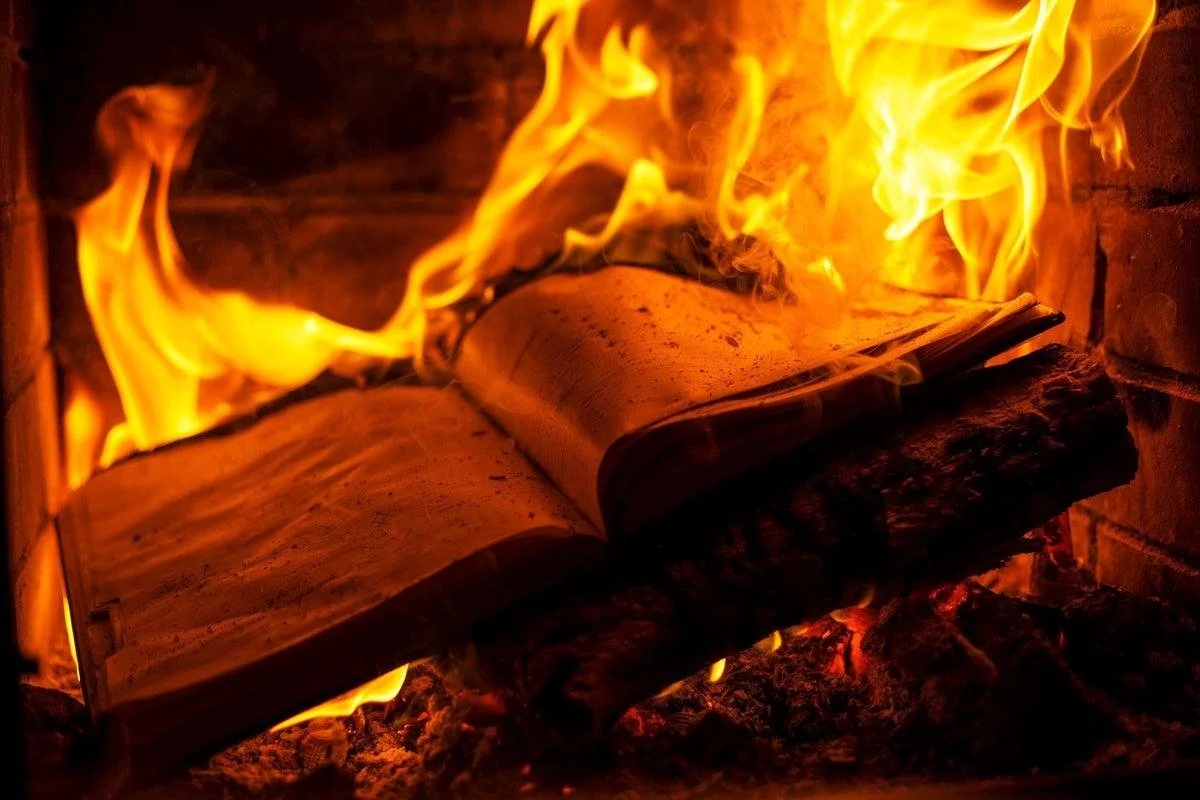
The modern logic is brutally simple. If an artist has behaved badly, then their work must also be morally contaminated. Their books should disappear from shelves. Their films should be removed from streaming platforms. Their music should vanish from playlists. Their legacy should become socially radioactive. Not criticised. Erased. It is no longer enough to condemn behaviour. The individual must be culturally annihilated. This is not justice. It is cultural cleansing disguised as virtue.
The impossible fantasy behind cancel culture
Cancel culture depends on a fantasy that collapses the moment history enters the room. It assumes that great art should come only from morally pure people. But human civilisation has never worked like that. Artists are flawed because human beings are flawed. Some are narcissistic. Some cruel. Some self-destructive. Some are emotionally chaotic. Some are brilliant in one area of life and catastrophic in another. The same contradictions that produce art often produce deeply troubled lives. If moral perfection became the requirement for artistic legitimacy, entire libraries would disappear overnight. Should we erase Caravaggio because he committed violence? Should Pablo Picasso vanish because of his treatment of women? Should John Lennon be removed from cultural history because he openly admitted personal failings? Should the films of Stanley Kubrick or Alfred Hitchcock be abandoned because stories emerged about difficult behaviour? Once you start building culture around moral perfection, the entire archive collapses. Because the truth cancel culture refuses to admit is simple: human beings are complicated. And art exists precisely because of that complication.
Art is not a hostage to the artist. One of the great intellectual failures of cancel culture is its inability to separate creation from creator. A novel is not merely a moral extension of its author. A painting is not genetically corrupted because the painter was flawed. A song does not suddenly lose emotional truth because the musician who wrote it behaved badly. Once art enters the world, it belongs partly to culture itself. People bring their own meanings, experiences, grief, memories, and interpretations to it. Art develops a life beyond the person who created it.
Cancel culture ignores this entirely. It treats art as if it were permanently chained to the artist’s biography. That approach fundamentally misunderstands what art is. The emotional power of a song you heard during heartbreak does not disappear because Twitter has declared the musician unacceptable. The novel that helped someone survive loneliness does not suddenly become meaningless because its author failed morally . Art is bigger than the people who create it. Always has been.
Social media has turned morality into performance
The rise of cancel culture cannot be separated from the architecture of the internet itself. Social media rewards speed over thought. Outrage over reflection. Certainty over complexity. Nuance performs badly online because Nuance is slow.
A careful argument saying, “This artist behaved terribly, but their work still deserves critical engagement”, cannot compete with the dopamine rush of public condemnation. The algorithm prefers emotional simplicity. Good people versus bad people. Heroes versus monsters. Approved voices versus forbidden ones. And because social media has blurred the line between ethics and identity, public moral judgment increasingly functions less like justice and more like tribal signalling. People do not simply criticise wrongdoing. They perform righteousness in front of an audience. The result is a culture addicted to denunciation.
Fear is making art weaker
The long-term consequence of cancel culture is not greater morality. It is artistic cowardice. Writers become afraid to explore controversial ideas. Filmmakers soften difficult themes. Musicians avoid ambiguity. Comedians self-censor. Publishers and studios increasingly prioritise safety over originality. Because when one wrong sentence can trigger mass outrage, the safest option becomes creative caution. And caution is poison to great art.
Art is supposed to challenge people. Disturb people. Complicate people. It exists to confront uncomfortable truths about violence, sex, power, loneliness, corruption, obsession, suffering, and desire. The greatest works of culture are rarely morally tidy. That is precisely why they endure. A culture terrified of offence eventually produces emotionally sterile work. Technically polished perhaps, but spiritually empty. Art becomes less interested in truth and more interested in avoiding backlash. And once that happens, culture stops expanding human understanding. It becomes public relations. The arrogance of rewriting history. Perhaps the most intellectually shallow aspect of cancel culture is its obsession with judging the past through the moral lens of the present. Historical figures are increasingly treated as defendants in retroactive moral trials. Complex individuals are flattened into simplistic verdicts. Entire lives are reduced to a single contemporary accusation. But history is not meant to provide saints. It is meant to help us understand humanity. Every generation possesses moral blind spots. Every era contains contradictions that future societies will criticise. The belief that our generation has finally achieved moral enlightenment is not wisdom. It is arrogance. Real intellectual maturity means confronting history honestly, not sanitising it until it becomes emotionally comfortable.
The deeper contradiction at the heart of cancel culture
Cancel culture claims to care deeply about humanity. Yet it often shows remarkably little understanding of human nature. Human beings are contradictory creatures. We are capable of beauty and ugliness simultaneously. Compassion and cruelty. Insight and failure. Love and selfishness. Art reflects those contradictions because it comes from us. To demand flawless creators is to demand something fundamentally incompatible with reality itself. And ironically, many of the people most eager to erase flawed artists still consume culture built by morally compromised corporations, governments, industries, and technologies every single day. The outrage is selective because total moral consistency is impossible. That is the truth that cancel culture cannot solve. Human life is morally messy. Always has been.
A culture without complexity becomes intellectually dead. Rejecting cancel culture does not mean defending abuse or excusing harm. Accountability matters. Criticism matters. Victims matter. But criticism is not the same thing as erasure. A mature culture should be capable of holding multiple truths at once. An artist may have behaved terribly. Their work may still contain beauty, insight, or cultural importance. Both things can be true simultaneously. The alternative is a culture built not around critical thought, but around ideological purification. A culture where fear replaces curiosity. Where complexity becomes suspicious. Where art is judged less by what it reveals about humanity and more by whether its creator passes an ever-changing moral purity test. That does not produce a wiser society. It produces a smaller one. And smaller cultures rarely create great art.
