Pink Floyd The Wall Explained: Isolation, Trauma, and the Psychology of a Rock Opera.
Building the Wall
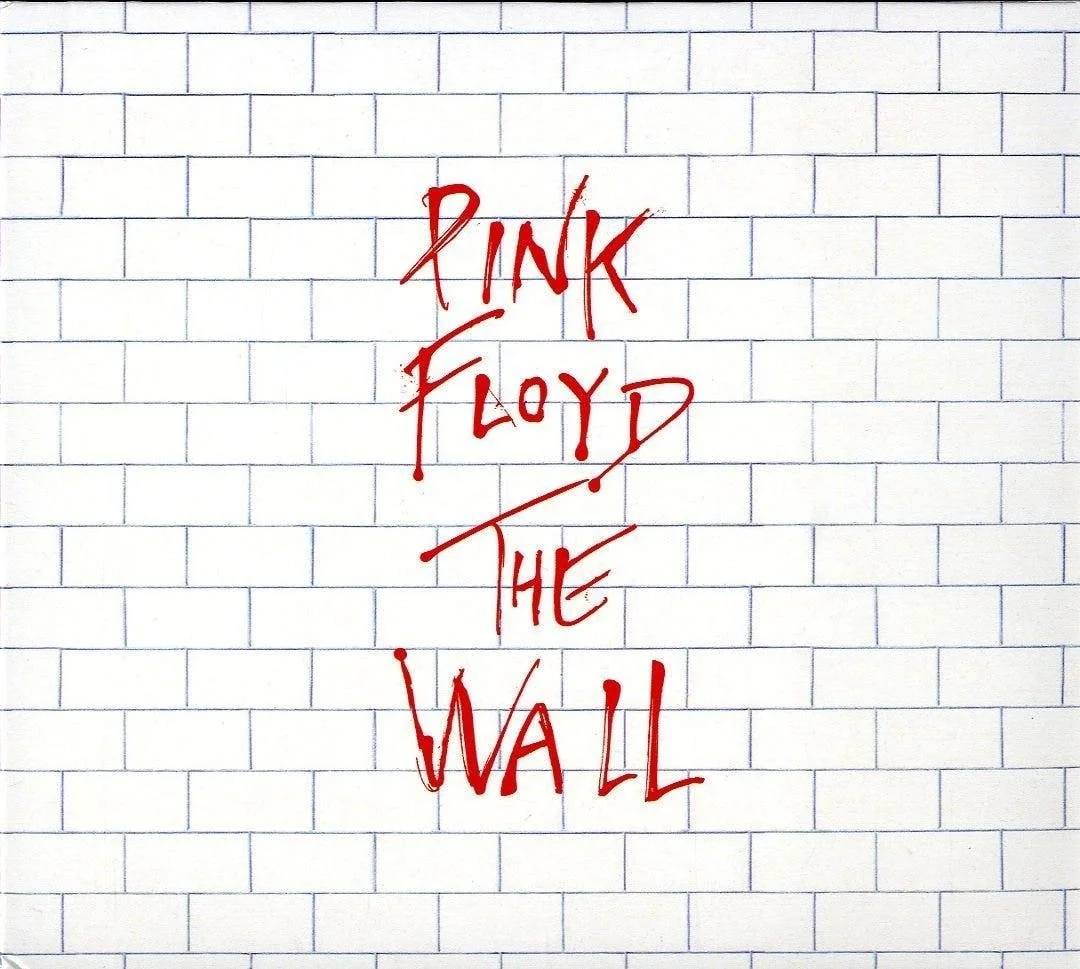
When Pink Floyd released The Wall in 1979, they did not simply produce another record to follow their already monumental success. They constructed an intricate psychological landscape, one that functions simultaneously as narrative, confession, and cultural critique. Conceived primarily by Roger Waters, the album stands as one of the most ambitious works in the history of popular music, a fully realised rock opera that traces the slow and painful disintegration of a character named Pink. Through Pink, the album explores how a human being becomes estranged from the world, not through a single catastrophic event, but through the gradual accumulation of wounds that ultimately reshape the self.
At its deepest level, The Wall is less concerned with plot than with process. It examines how identity is formed through experience, and how those experiences can harden into barriers that separate the individual from reality. Each emotional injury becomes symbolic material, another brick laid carefully into place, until what once served as protection becomes a prison. The metaphor is powerful precisely because it reflects something recognisable in all of us. The instinct to withdraw, to defend, and to retreat inward is not unique to Pink. It is a universal human response to pain.
To fully understand The Wall is to situate it within the broader anxieties of the late twentieth century. It emerges from a world shaped by war, by the expansion of mass media, and by the alienating effects of modern capitalism. Yet despite being rooted in a specific historical moment, the album transcends its context. It speaks to a timeless condition, the fragile and often conflicted relationship between the self and the world, between vulnerability and defence, between connection and isolation.
Historical Context: Post War Shadows and Rock Stardom
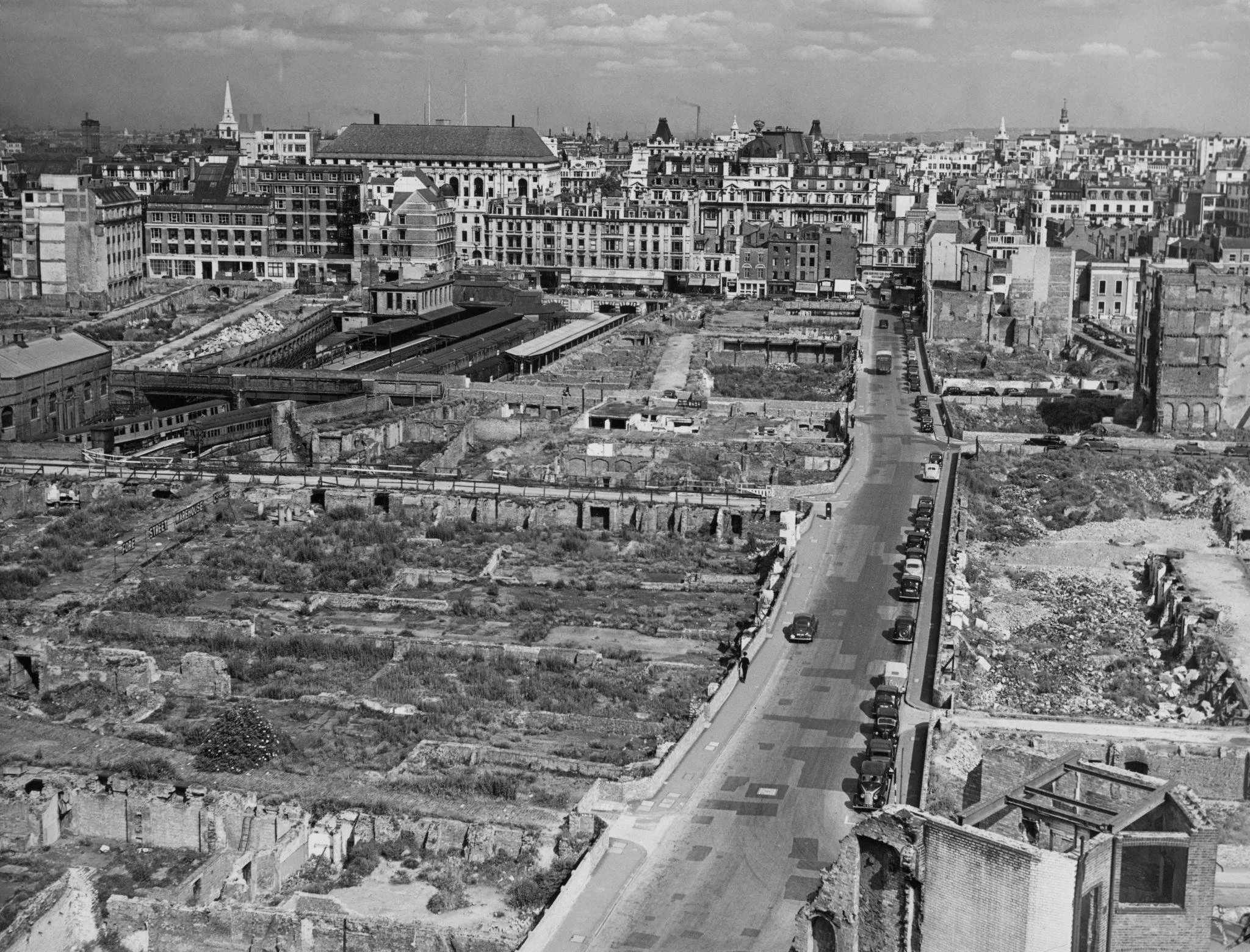
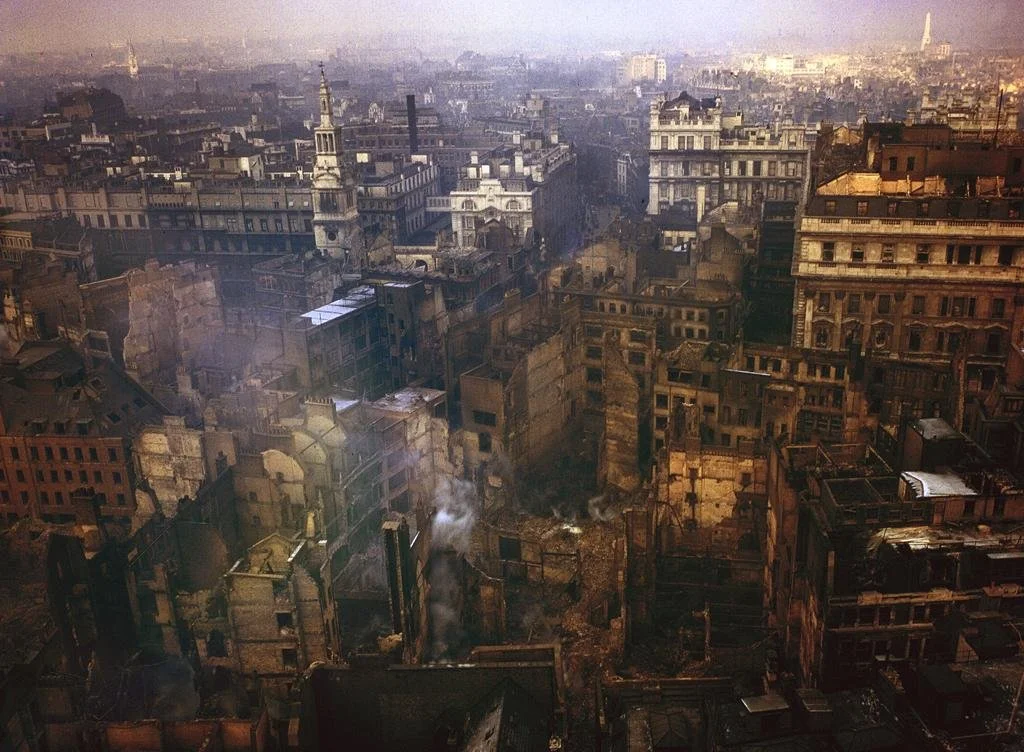
The emotional and conceptual foundations of The Wall are deeply embedded in the aftermath of World War II, a conflict that left not only physical devastation but also profound psychological scars across an entire generation. For Roger Waters, this history was not abstract. His father’s death in the war created a personal absence that would echo throughout his life and, by extension, throughout the narrative of Pink. This absence is not merely a biographical detail. It becomes a central emotional force within the album, representing a loss that cannot be resolved, only internalised.
In post war Britain, such experiences were far from unique. Many children grew up in environments marked by grief, austerity, and emotional restraint. The cultural atmosphere was one in which vulnerability was often suppressed rather than expressed, leading to forms of internal conflict that would later find expression in art and music. The Wall channels this collective condition, transforming personal memory into a broader reflection on how societies process trauma.

By the time the album was conceived in the late 1970s, Pink Floyd had reached a level of success that few bands had ever achieved. Albums such as The Dark Side of the Moon and Wish You Were Here had not only defined an era but had also elevated the band into global icons. Yet with this success came a new form of alienation. Massive stadium concerts created a physical and emotional distance between performer and audience, turning intimate artistic expression into spectacle.
Waters became increasingly uncomfortable with this dynamic. The very audience that sustained the band also seemed to erase the possibility of genuine connection. In this tension, between visibility and isolation, between success and estrangement, the central metaphor of The Wall began to take shape. It is here that the personal, the cultural, and the artistic converge, forming the conceptual foundation of the album.
Narrative Structure: The Life of Pink
The narrative of The Wall unfolds with a sense of inevitability, tracing Pink’s life as a sequence of formative experiences that gradually construct his psychological isolation. While the story can be followed in a linear way, its true power lies in how each stage deepens the central theme of disconnection.
Pink’s childhood is defined by absence and overcompensation. The loss of his father creates a void that shapes his understanding of the world, while his mother’s intense protectiveness, though rooted in love, becomes a form of constraint. This duality introduces a key tension within the album. Care and control become indistinguishable, and the very forces that seek to nurture Pink also limit his ability to develop independence.
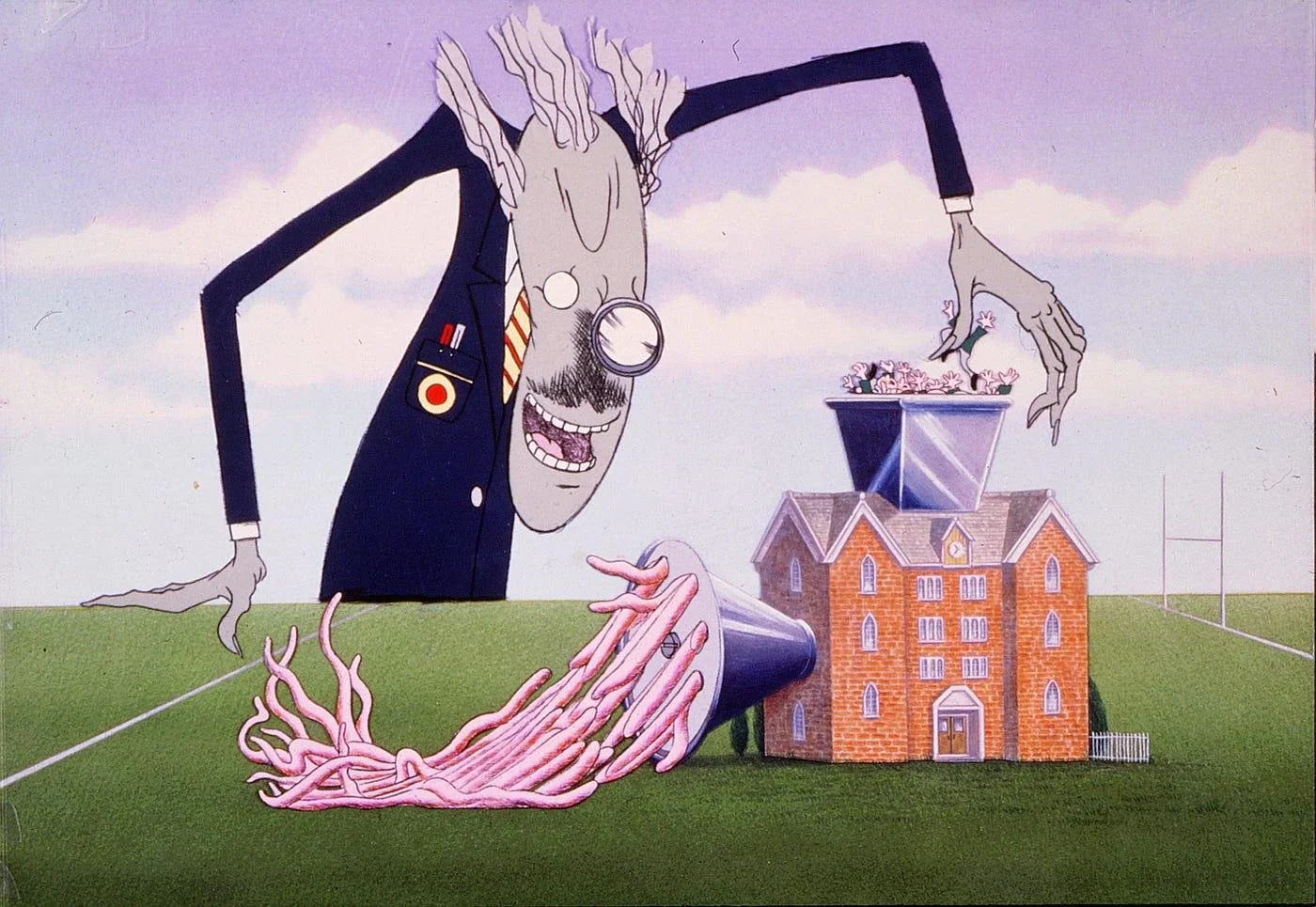
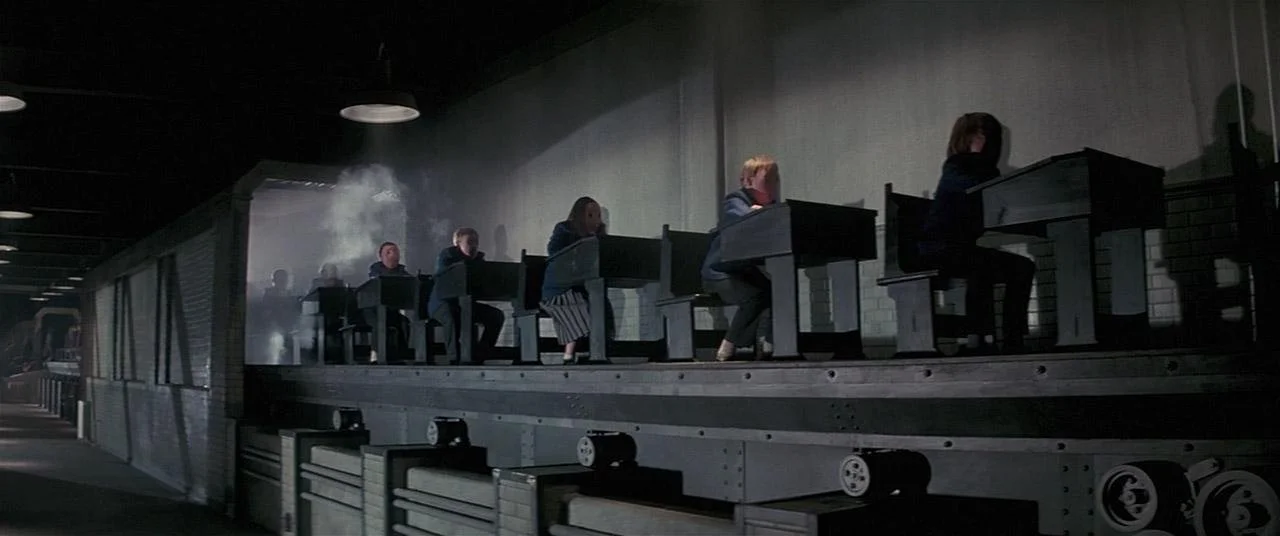
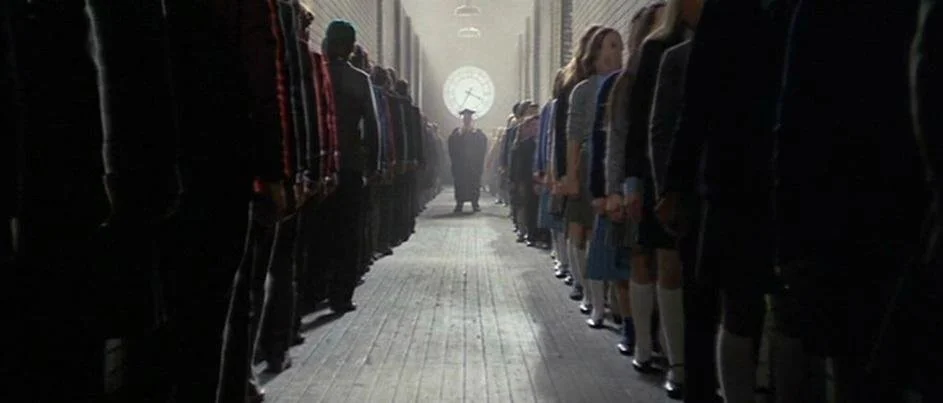
As Pink enters the educational system, this tension intensifies. School is portrayed not as a place of growth but as an institution that enforces conformity and suppresses individuality. Authority figures are depicted as dehumanising, reducing students to passive recipients of information rather than active participants in their own development. The famous refrain rejecting education is often misunderstood as anti intellectual, but within the context of the album, it is a protest against a system that values obedience over creativity.
In adulthood, Pink achieves fame as a rock star, yet this success only amplifies his isolation. Relationships become superficial, and emotional intimacy becomes increasingly difficult. The persona he presents to the world bears little resemblance to his internal reality. This disconnection leads to a psychological breakdown, where the boundaries between self and performance begin to collapse.

The most disturbing phase of the narrative occurs when Pink retreats entirely into his own psyche, constructing a delusional identity as a fascist leader. This transformation is not arbitrary. It represents the ultimate inversion of vulnerability. Having experienced powerlessness, Pink imagines absolute control. In doing so, the album reveals how unresolved trauma can manifest as aggression and domination.
The narrative concludes with a symbolic trial, where different aspects of Pink’s psyche confront him. This sequence is surreal, yet it carries a clear moral weight. The judgment to tear down the wall represents both destruction and possibility. It suggests that while the structures we build to protect ourselves can become oppressive, they are not permanent.
Themes: Isolation as a Modern Condition
The enduring power of The Wall lies in its thematic depth. While it tells a specific story, its ideas resonate far beyond the narrative of Pink.
Alienation is perhaps the most central theme. It is presented not as a singular experience but as a layered condition that arises from multiple sources, personal loss, social structures, and internal conflict. Pink’s isolation is both imposed upon him and chosen by him, reflecting the complex interplay between environment and agency.
Trauma functions as the mechanism through which this alienation develops. The album suggests that trauma is not simply an event but a process that shapes perception and behaviour over time. Memory becomes active rather than passive, continuously influencing how the individual relates to the world.
Authority is another critical theme. Figures of control appear throughout the narrative, from parents to teachers to political leaders. These figures represent both external power and internalised constraint, highlighting how systems of authority can shape identity in subtle and profound ways.
Finally, the album explores the fragmentation of identity. Pink is not a coherent self but a collection of experiences and responses. His descent into madness reveals the instability that lies beneath the surface of modern identity, challenging the notion that the self is unified or fixed.






Musical Architecture: Sound as Psychological Expression
The musical composition of The Wall is inseparable from its conceptual framework. The album uses sound not merely as accompaniment but as a means of expression in its own right. Every sonic element contributes to the emotional and psychological landscape of the work.
David Gilmour’s guitar playing provides some of the most memorable moments in the album, particularly in “Comfortably Numb,” where the solo captures a sense of longing and detachment that words alone cannot convey. The interplay between melody and atmosphere creates a feeling of distance, reinforcing the theme of disconnection.
The production is equally significant. The blending of traditional rock instrumentation with orchestral arrangements, sound effects, and spoken passages creates a layered and immersive experience. This approach gives the album a cinematic quality, one that would later be fully realised in Pink Floyd The Wall.
Repetition and variation are used throughout the album to mirror psychological patterns. Themes return in altered forms, suggesting the persistence of memory and the cyclical nature of thought. In this way, the music itself becomes an extension of the narrative, reflecting the inner workings of Pink’s mind.
Symbolism: Visual and Conceptual Language
The symbolic framework of The Wall is both striking and multifaceted. Its imagery operates on personal, political, and cultural levels, allowing for multiple interpretations.
The wall itself is the central symbol, representing both protection and confinement. It embodies the paradox of defence, that what shields us from pain can also isolate us from connection. The bricks that compose the wall are individual experiences, each one contributing to the overall structure.
Other symbols extend this framework. Masks represent the loss of authentic identity, while authoritarian imagery reflects the dangers of unchecked power. These elements are not isolated but interconnected, forming a cohesive visual language that reinforces the album’s themes.
The Film Adaptation: Expanding the Vision
The transition from album to film in Pink Floyd The Wall, directed by Alan Parker, allowed the conceptual world of The Wall to be expressed in visual form. With animation by Gerald Scarfe, the film intensifies the surreal and symbolic aspects of the story.
The imagery is often disturbing, reflecting the psychological turmoil of the narrative. Scenes of marching hammers and distorted figures translate abstract themes into concrete visuals, making the internal external. In doing so, the film does not simply illustrate the album but expands upon it, offering a new dimension of interpretation.
Cultural Impact: A Lasting Legacy
The influence of The Wall extends far beyond the realm of music. Its themes have resonated across different cultural and political contexts, making it a work of enduring relevance.
The performance of The Wall in Berlin in 1990, following the fall of the Berlin Wall, transformed the album into a powerful symbol of division and reconciliation. In this moment, the metaphor of the wall became literal, connecting the album’s themes to a global historical event.
More broadly, the album has shaped how concept albums are understood, demonstrating that popular music can engage with complex ideas and narratives. It continues to inspire artists across disciplines, from music to film to visual art.
Philosophical Reading: The Burden of the Self
From a philosophical perspective, The Wall engages with ideas that resonate strongly with existentialist thought. Thinkers such as Jean-Paul Sartre emphasised the individual’s responsibility to create meaning in an indifferent world.
Pink’s response to this responsibility is avoidance. Rather than embracing freedom, he retreats into isolation, constructing a barrier that shields him from the uncertainty of existence. In this sense, the wall represents not only trauma but also the refusal to engage with the world.
The Possibility of Connection
The Wall endures because it captures a fundamental aspect of human experience. The tension between connection and isolation, between vulnerability and defence, is something that defines us all.
The album does not offer easy answers. It does not suggest that the wall can be dismantled without consequence. Yet it does propose that such dismantling is necessary if genuine connection is to be possible.
In the end, The Wall is not simply a story of collapse. It is a meditation on what it means to be human in a world that often feels overwhelming. It leaves us with a question that is both simple and profound.
What would it take to step beyond the walls we have built?
Sources
Pink Floyd. The Wall. Harvest Records, 1979.
The Wall (Album Background and Concept)
Overview of the album’s origins, including Roger Waters’ concept of isolation, the Montreal incident, and the psychological themes behind the narrative.
Roger Waters Biography and The Wall Context
Details on how Waters’ personal history, particularly the loss of his father in World War II, shaped the themes and narrative of The Wall.
Roger Waters Interview on The Wall (Guitar World)
Insight into the album’s conception as a live performance and the visual idea of constructing a wall during concerts.
Roger Waters Reflections on The Wall Concept
Waters discusses the original idea of building a wall between band and audience as an expression of alienation.
BBC Radio Interview: Roger Waters Track by Track (1979)
Primary source interview where Waters explains the album’s narrative and themes song by song.
The Thin Ice and Narrative Structure Analysis
Breakdown of the album’s storyline and character development of Pink as an alienated rock figure.
Optional Further Reading (Recommended for Depth)
Schaffner, Nicholas. Saucerful of Secrets: The Pink Floyd Odyssey. Sidgwick & Jackson, 1991.
Fitch, Vernon. The Pink Floyd Encyclopedia. Collector’s Guide Publishing, 2005.
Rose, Phil. Which One’s Pink? An Analysis of the Concept Albums of Roger Waters and Pink Floyd. Collector’s Guide Publishing.
