Sly Stone: Rise, Fall, and the Burden of Genius
The Man Who Made Music Feel Like a Revolution
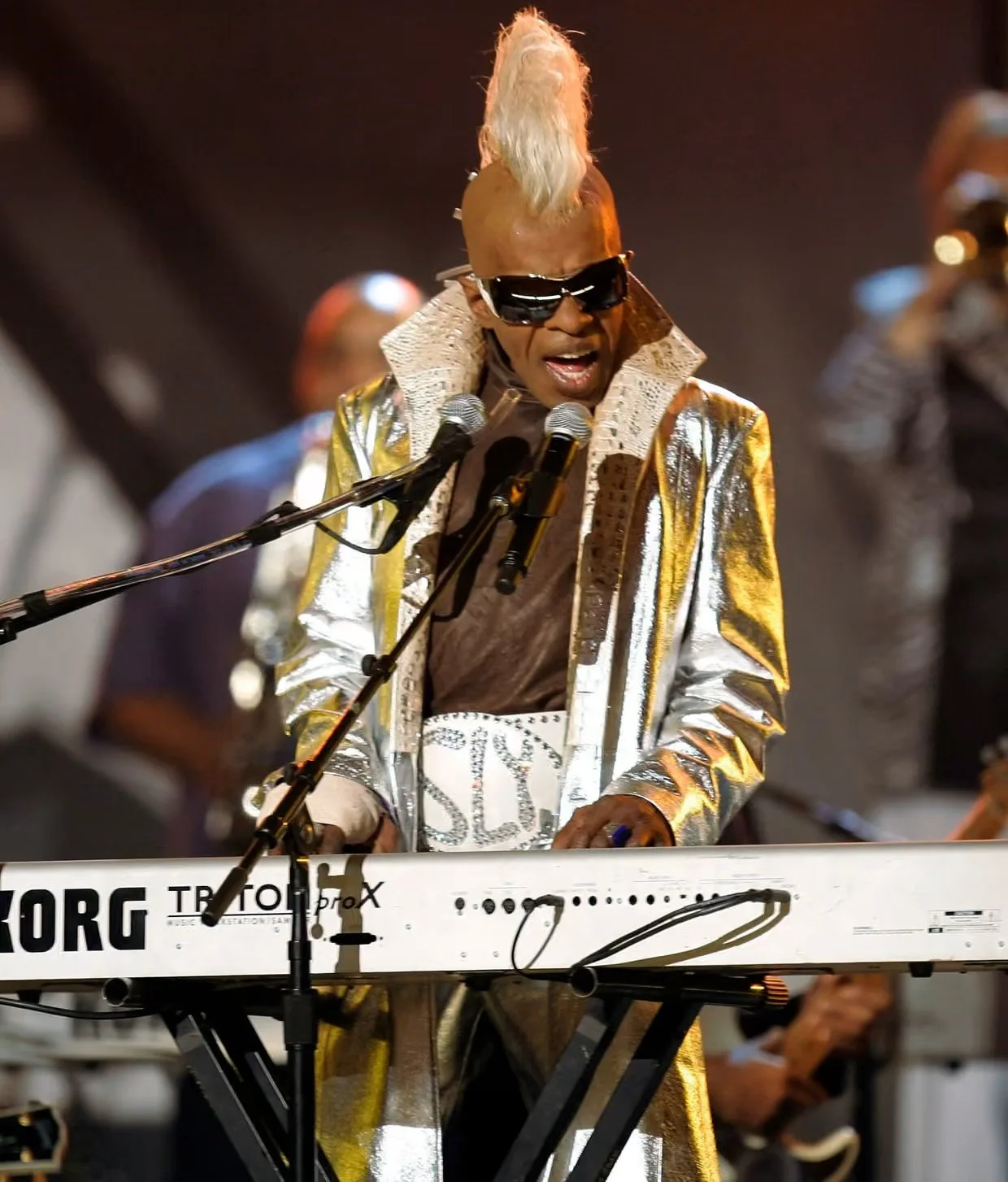
Sly Stone did not simply make music. He reprogrammed it.
To understand Sly Stone is to understand a moment when music seemed capable of holding the contradictions of an entire culture. Joy and anger. Unity and fragmentation. Hope and disillusionment. His work did not resolve these tensions; it made them audible.
When he died on June 9, 2025, at the age of 82, the headlines inevitably framed his life as a rise and fall. A meteoric ascent followed by a painful decline. But this narrative, while not untrue, is insufficient. It reduces a complex artistic life into a moral arc, when what Sly Stone represents is something far more unsettling and profound: the limits of genius within a culture that demands both transcendence and endurance.
For a brief, incandescent period between roughly 1968 and 1973, Sly Stone created some of the most innovative, influential, and culturally resonant music ever recorded. In that time, he did not merely participate in the evolution of funk. He redefined its grammar. And then, just as quickly, it began to unravel.
II. Origins: Gospel, Radio, and the Birth of a Musical Mind
Before Sly Stone became a symbol, he was Sylvester Stewart, a child immersed in music from the beginning.
Born in Denton, Texas, and raised in Vallejo, California, he grew up in a deeply religious household where gospel music was not an activity but an environment. His family performed together, and from an early age, he developed an intuitive understanding of harmony, rhythm, and emotional expression. But what distinguished Sly was not simply talent. It was synthesis.
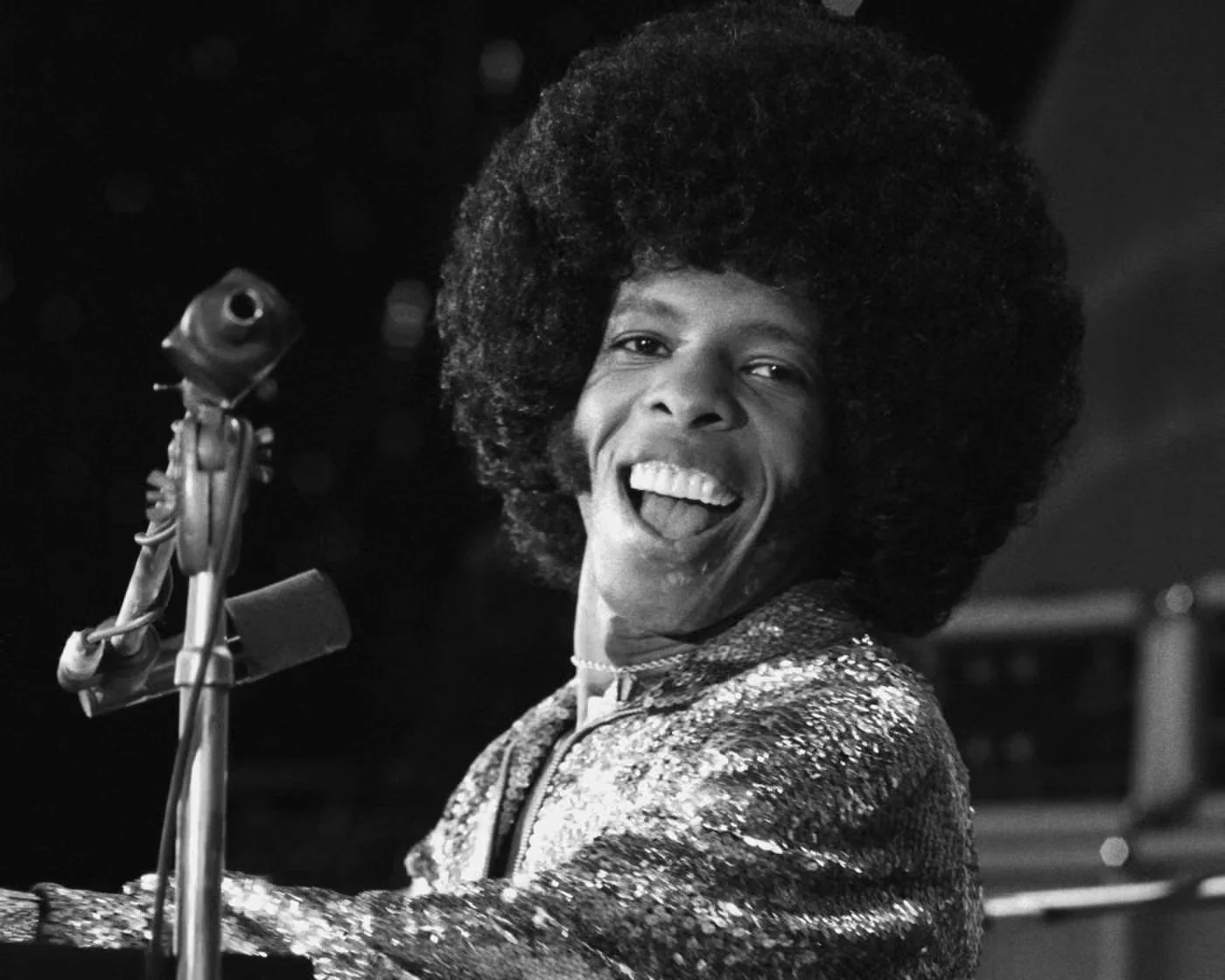
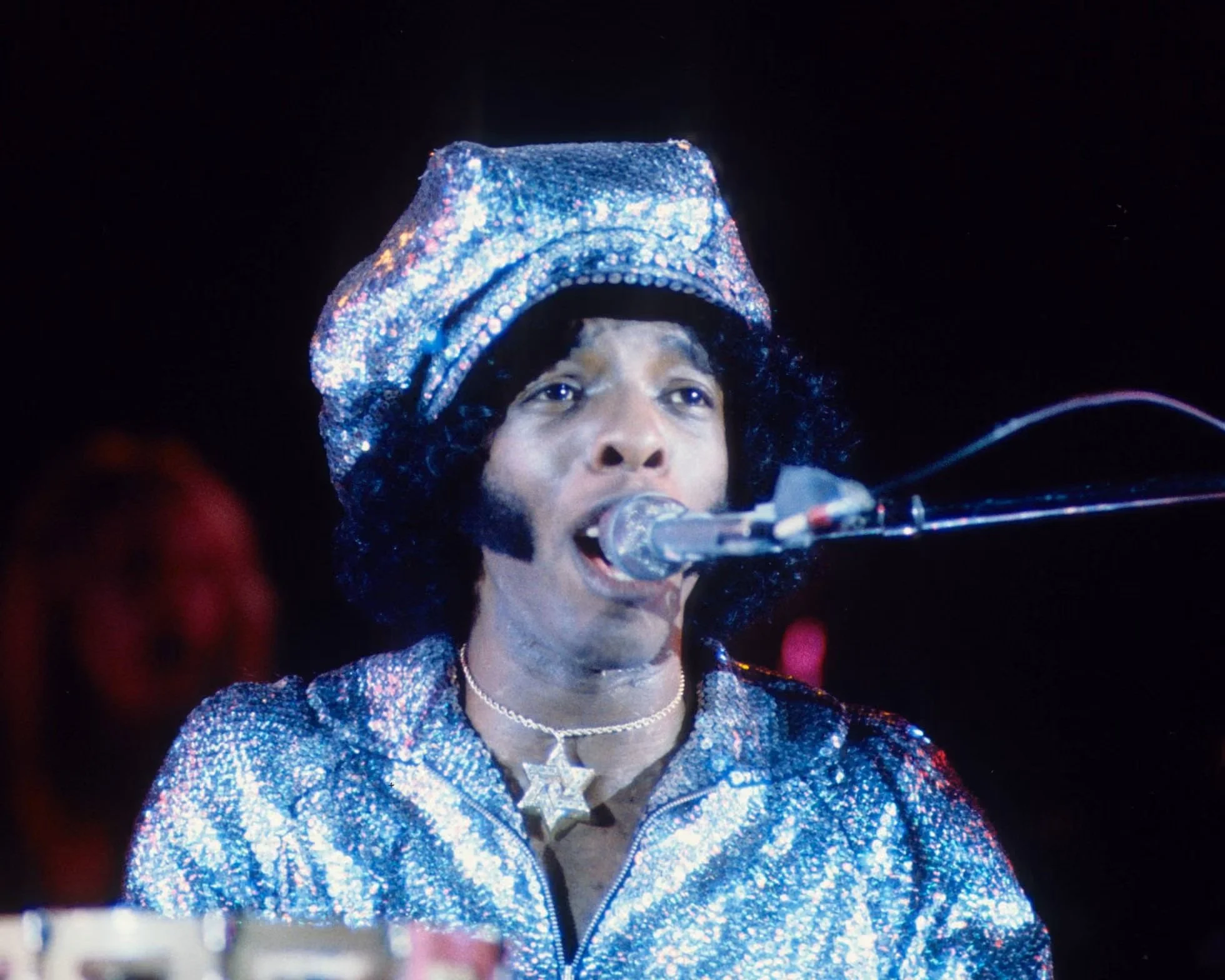
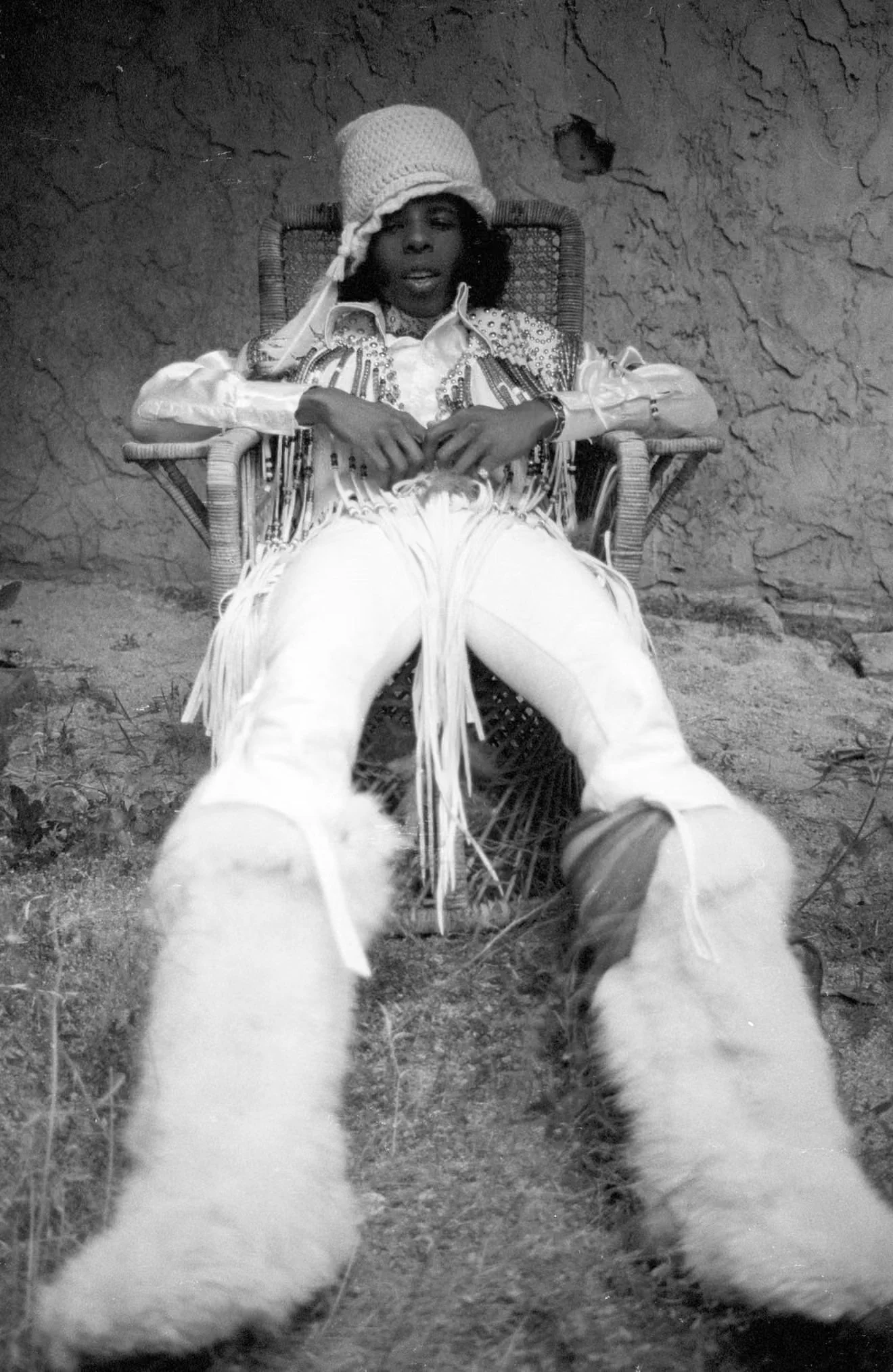
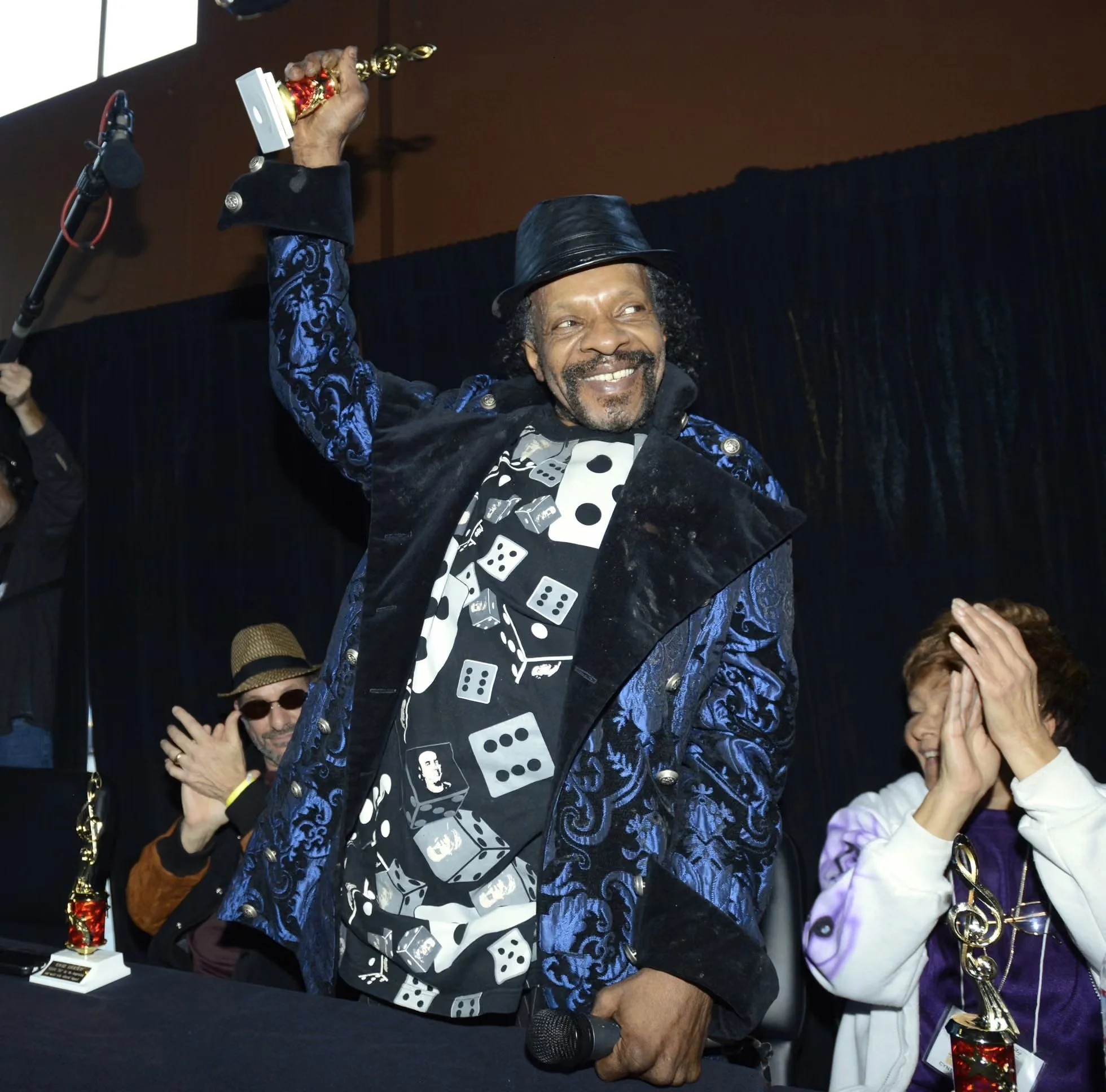
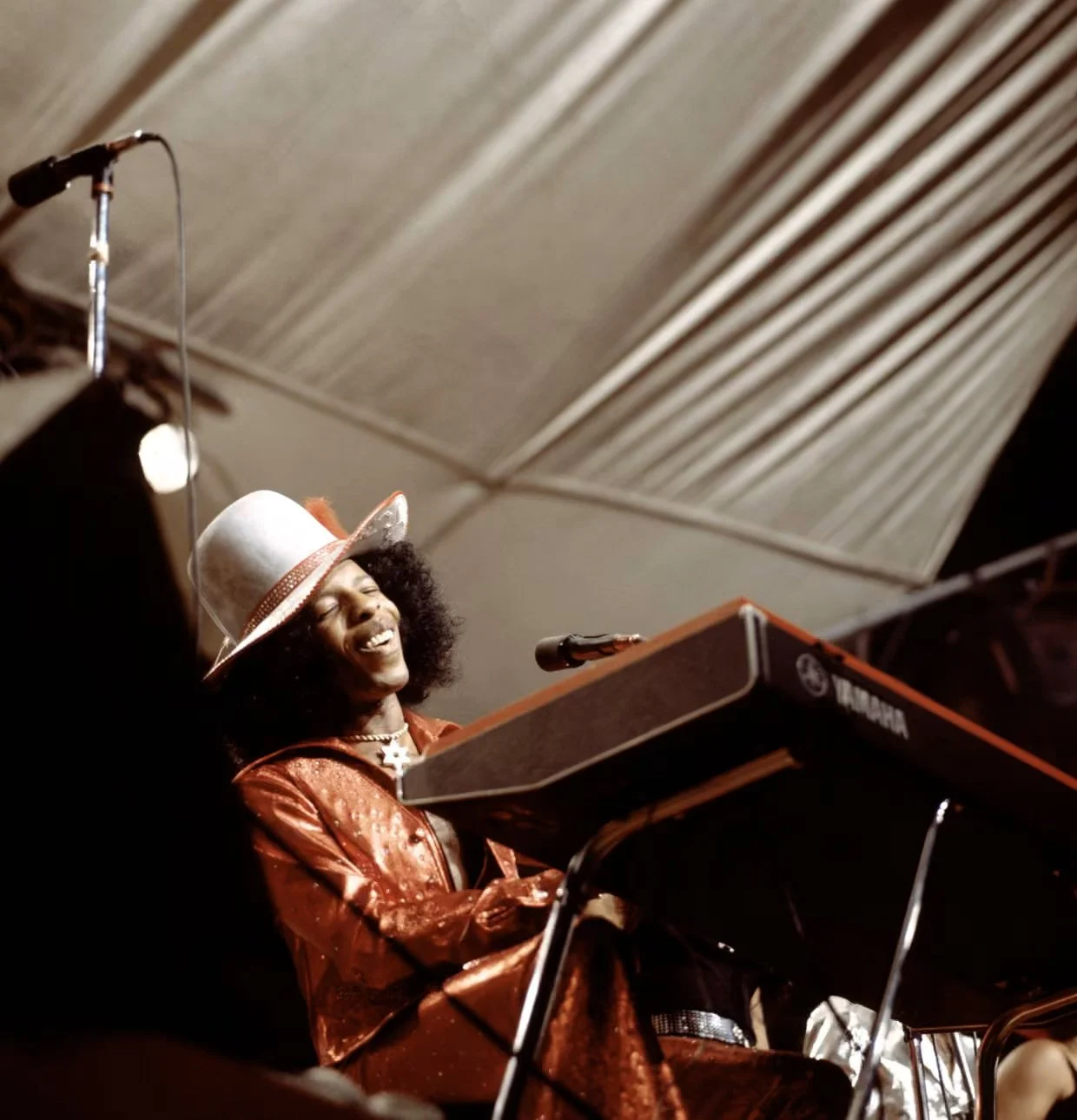
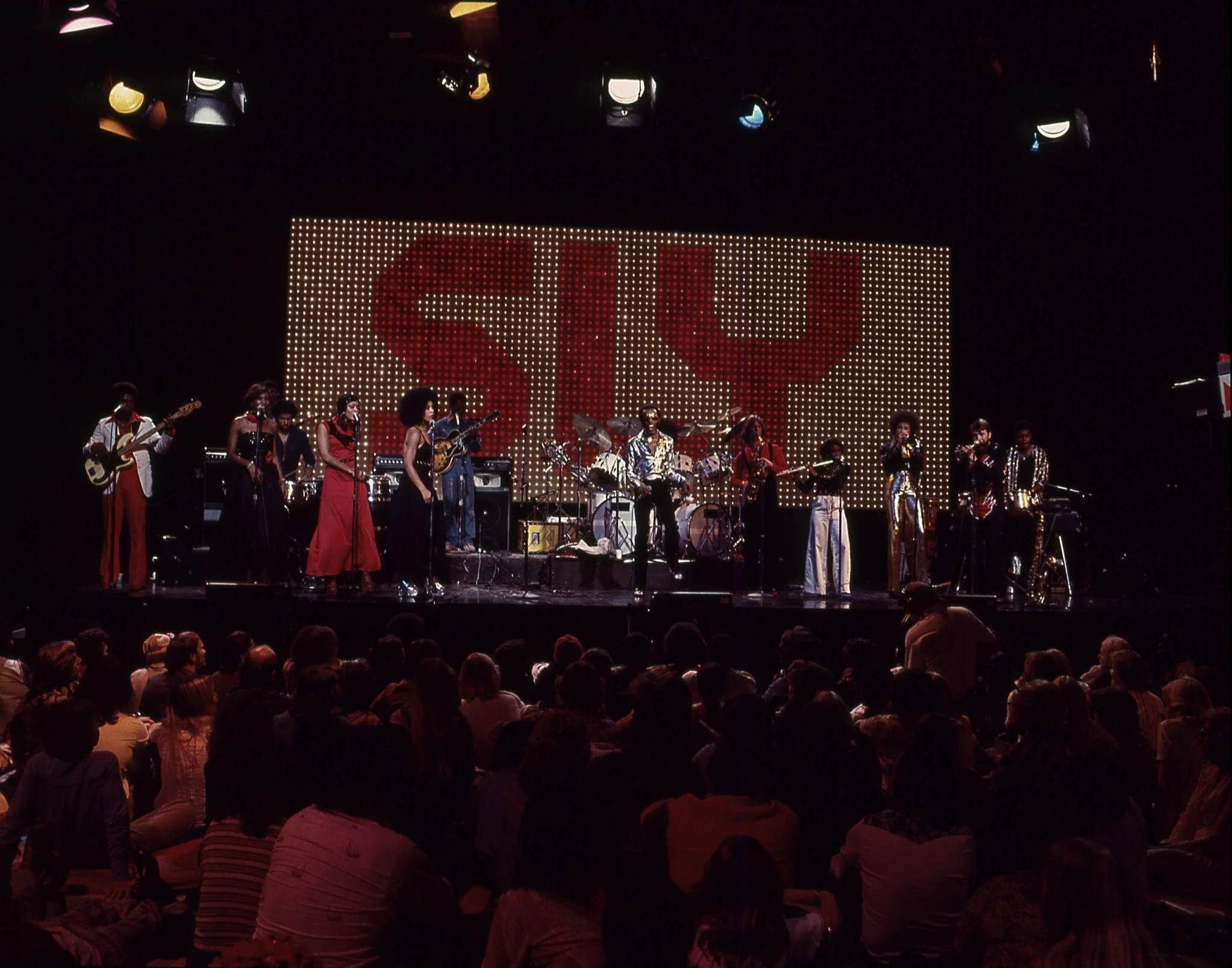
By the time he began working as a radio DJ in San Francisco, he had already developed a sensibility that ignored genre boundaries. On air, he would blend soul with rock, gospel with psychedelia, treating music as a continuum rather than a set of categories. This approach would become the foundation of everything that followed. He understood something that many of his contemporaries did not: the future of music would not be defined by purity, but by fusion.
III. The Family Stone: A Band That Looked Like the Future
When Sly formed Sly and the Family Stone, he did something quietly radical. The band was interracial. It was mixed gender. It was collaborative in a way that challenged the traditional hierarchy of frontman and backing musicians. At a time when America was deeply segregated, the band did not just advocate unity. It embodied it.
This mattered. Because the music itself was built on the same principle. Different influences, different traditions, different sonic identities, all coexisting within a single structure. Their early work hinted at this vision, but it was not until Dance to the Music that it fully crystallised.
Breakthrough: Dance as Philosophy
Dance to the Music” is often described as a hit single. This is technically true, but it misses the point. The song is a structural innovation. It breaks down the components of a band—bass, drums, horns, vocals—and presents them sequentially, almost pedagogically. It teaches the listener how to hear the music even as it compels them to move to it. In doing so, Sly collapses the distinction between performer and audience. Listening becomes participation. This is the beginning of funk as we now understand it: rhythm as the central organising force, groove as a communal experience.
V. 1969: Utopia, Amplified
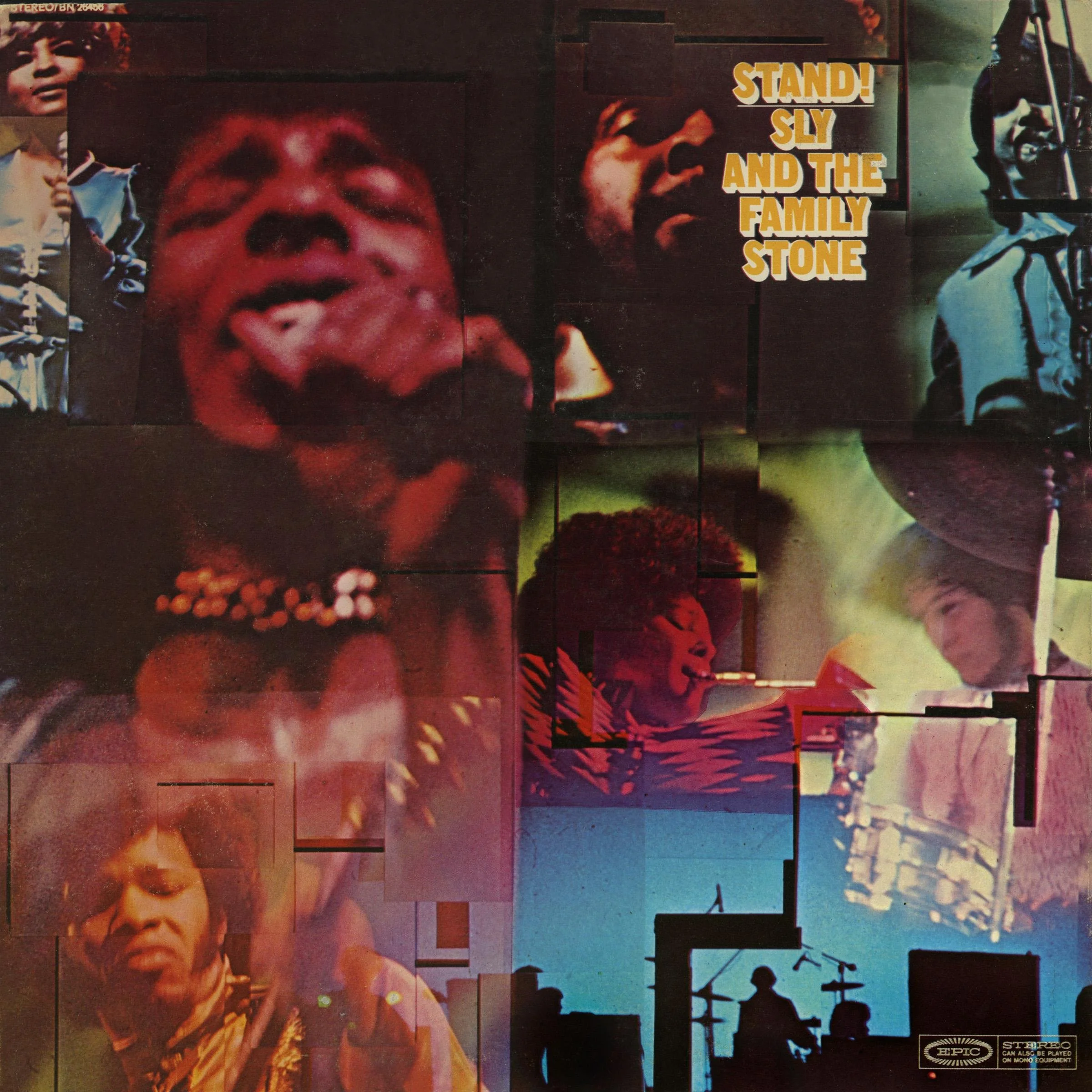
By 1969, Sly Stone was no longer emerging. He had arrived. His appearance on The Ed Sullivan Show brought his vision into millions of homes. His performance at Woodstock transformed that vision into something experiential, almost spiritual. And then there was Stand!. It is difficult to overstate the significance of this album. It captures a moment when the ideals of the 1960s—equality, freedom, collective identity—still felt attainable.
“Everyday People” articulates this with disarming simplicity. “Different strokes for different folks.” It is both a lyric and a philosophy. But Sly was not naïve. “Don’t Call Me N*****, Whitey” confronts the reality that beneath the rhetoric of unity, conflict remained unresolved. This tension—between aspiration and reality—gives the album its power.
VI. Innovation: Rewriting the Language of Rhythm
If Sly Stone redefined structure, he also redefined sound. “Thank You (Falettinme Be Mice Elf Agin)” introduced a bass technique that would become foundational to funk: Larry Graham’s slap bass. By treating the bass as both a rhythmic and melodic instrument, the band created a new kind of groove—one that was percussive, physical, and impossible to ignore. The influence of this innovation extends far beyond funk. It shaped the development of R&B, disco, hip hop, and even jazz, influencing artists like Miles Davis during his electric period. Sly was not just making songs. He was altering the vocabulary of music.
VII. Collapse: There’s A Riot Goin’ On
And then, everything changed. There’s A Riot Goin’ On (1971) is one of the most enigmatic albums in popular music. Where Stand! is expansive and outward looking, Riot is internal, fragmented, and opaque. The production is dense, murky, almost suffocating. The rhythms drag. The vocals blur. It sounds like exhaustion. And yet, it is also brilliant.
“Family Affair” became a hit, but it feels nothing like the celebratory music that preceded it. It is introspective, almost detached. The groove persists, but it has been hollowed out. This is not the sound of a band. It is the sound of an individual retreating into himself.
Fragmentation and Decline
The years following Riot are often described as a decline.
This is accurate, but it is also incomplete. Fresh (1973) contains moments of remarkable clarity. Its stripped-back production anticipates later developments in funk and R&B. But the instability surrounding Sly—drug use, missed performances, internal conflict—undermined the possibility of sustained momentum. By the time Small Talk (1974) was released, the cohesion of the Family Stone had dissolved. What followed were fragments. Albums that hinted at former brilliance but could not sustain it.
Myth Without Presence
In the decades that followed, Sly Stone became less a person than a myth. His struggles with addiction and legal issues pushed him out of the public eye. Reports of homelessness and isolation added to the sense of tragedy. And yet, the expectation remained. That he might return. That he owed the world something more. This expectation is interrogated in Sly Lives: The Burden of Black Genius, a documentary by Questlove. The question it raises is uncomfortable but necessary: why do we demand endless output from those who have already given us everything?
Legacy: The Architecture of Modern Music
Sly Stone’s influence is not confined to a genre. It is structural. He changed how bands were formed. How songs were constructed. How rhythm was understood. His work laid the foundation for funk, informed the development of hip hop, and influenced countless artists across decades. But more than that, he expanded the conceptual possibilities of music. He showed that it could be political without being didactic. Joyful without being superficial. Complex without being inaccessible.
The Limits of Flight
Sly Stone’s life resists easy interpretation. It is a story of brilliance and collapse, of innovation and withdrawal. But it is also a story about the conditions under which genius exists. For a brief period, he created music that felt like a new world. And then, that world became unsustainable. But perhaps that is the point. Not all brilliance is meant to endure indefinitely. Some of it exists to change the landscape, and once it has done so, it leaves behind something more valuable than consistency: transformation. Sly Stone did not just reach extraordinary heights. He changed how high it was possible to go.
Sources
Sly Stone obituary and legacy overview
https://www.theguardian.com/musicRock & Roll Hall of Fame – Sly and the Family Stone Biography
https://www.rockhall.com/inductees/sly-and-family-stoneEncyclopaedia Britannica – Sly Stone
https://www.britannica.com/biography/Sly-StoneAllMusic – Sly and the Family Stone Biography & Discography
https://www.allmusic.com/artist/sly-the-family-stone-mn0000032897Rolling Stone – Sly Stone Artist Archive
https://www.rollingstone.com/music/music-artists/sly-and-the-family-stone/Pitchfork – Album Reviews (Stand!, There’s A Riot Goin’ On, Fresh)
https://pitchfork.comBBC Music – Sly and the Family Stone Features & Retrospectives
https://www.bbc.co.uk/musicSmithsonian Magazine – The Cultural Impact of Sly Stone
https://www.smithsonianmag.comNational Museum of African American History & Culture – Funk and Soul Archives
https://nmaahc.si.eduLibrary of Congress – National Recording Registry (Sly and the Family Stone)
https://www.loc.govMojo Magazine – Archive Features on Sly Stone
https://www.mojo4music.comThe Wire – Essays on Funk, Psychedelia, and Cultural Innovation
https://www.thewire.co.ukBook: Thank You (Falettinme Be Mice Elf Agin) by Joel Selvin
https://www.goodreads.com/book/show/17675137-thank-youDocumentary: Summer of Soul (dir. Questlove)
https://www.imdb.com/title/tt11422728/Documentary: Sly Lives! (aka The Burden of Black Genius) – Questlove
https://www.hulu.com
