The Great Philosophers Why Bryan Magee’s BBC Series Still Matters
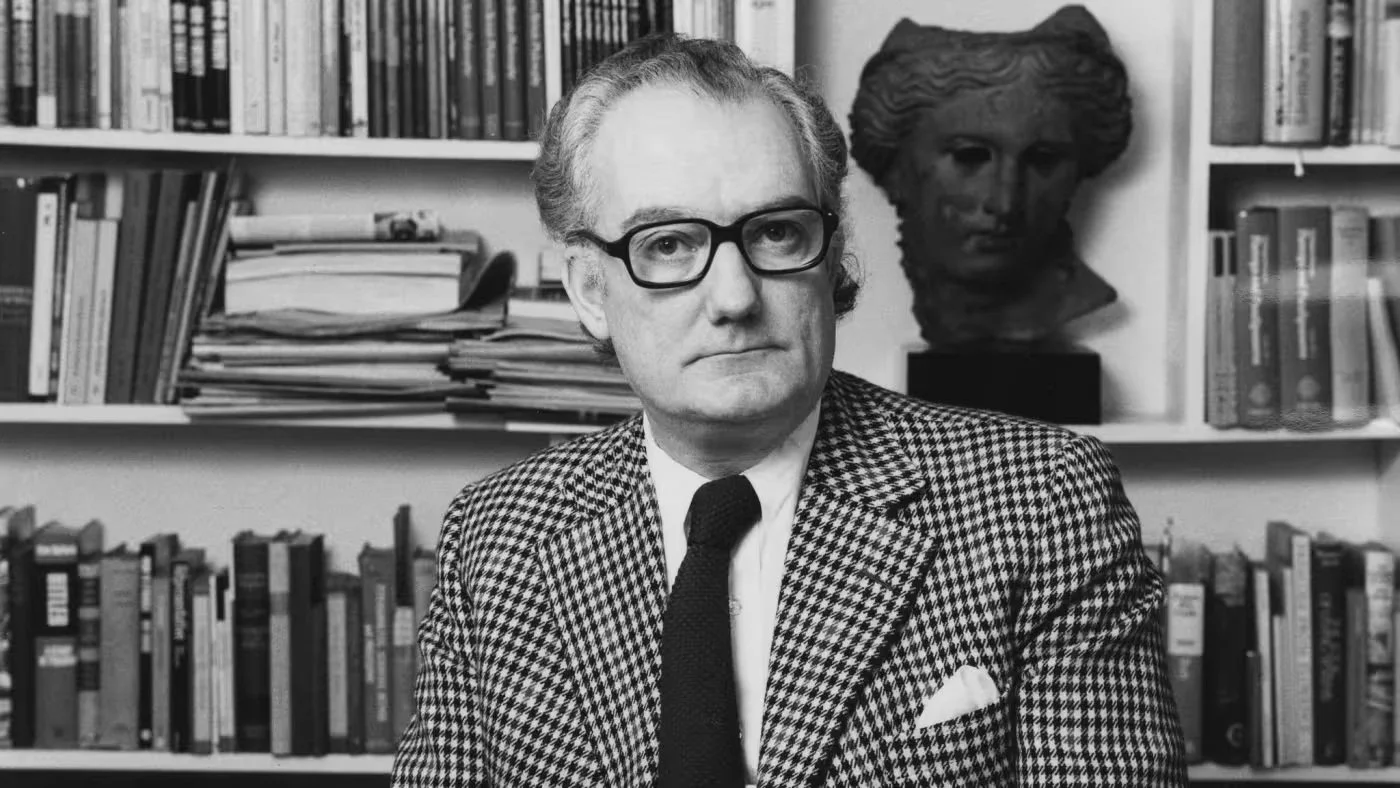
In a culture obsessed with speed, opinion, and instant certainty, The Great Philosophers feels almost radical in its patience. First broadcast by the BBC in 1987 and presented by Bryan Magee, the series offers something increasingly rare: long-form, thoughtful conversations about ideas that shaped how we think, live, and understand the world.
Rather than reducing philosophy to soundbites or academic abstraction, Magee invites leading philosophers to speak clearly and carefully about the great thinkers of the Western tradition. Each episode centres on a single philosopher from Plato and Aristotle through Descartes Hume Kant Hegel Nietzsche and Wittgenstein and asks a simple but profound question what problem was this thinker trying to solve and why does it still matter.
What makes The Great Philosophers so aligned with the spirit of The Deep Dive Society is its refusal to rush. Magee’s interviews unfold slowly allowing difficult ideas to breathe. His questions are not performative or combative. They are curious humane and often voiced from the perspective of the intelligent outsider. In doing so the series restores philosophy to its original purpose not as intellectual status signalling but as a lived inquiry into truth meaning freedom and knowledge.
Crucially the series reminds us that philosophy is not detached from culture. These thinkers shaped politics science art psychology and religion. Their ideas underpin modern assumptions about selfhood morality reason and reality itself. To engage with philosophy The Great Philosophers suggests is not to escape the world but to see it more clearly.
Decades after its original broadcast the series remains one of the finest introductions to philosophy available. Not because it simplifies great ideas but because it respects the intelligence and patience of the viewer. In a noisy digital age The Great Philosophers stands as a quiet invitation to think deeply and to remember that understanding takes time.