In Memory of Tom Stoppard: A Legacy of Wit and Wisdom in Theatre
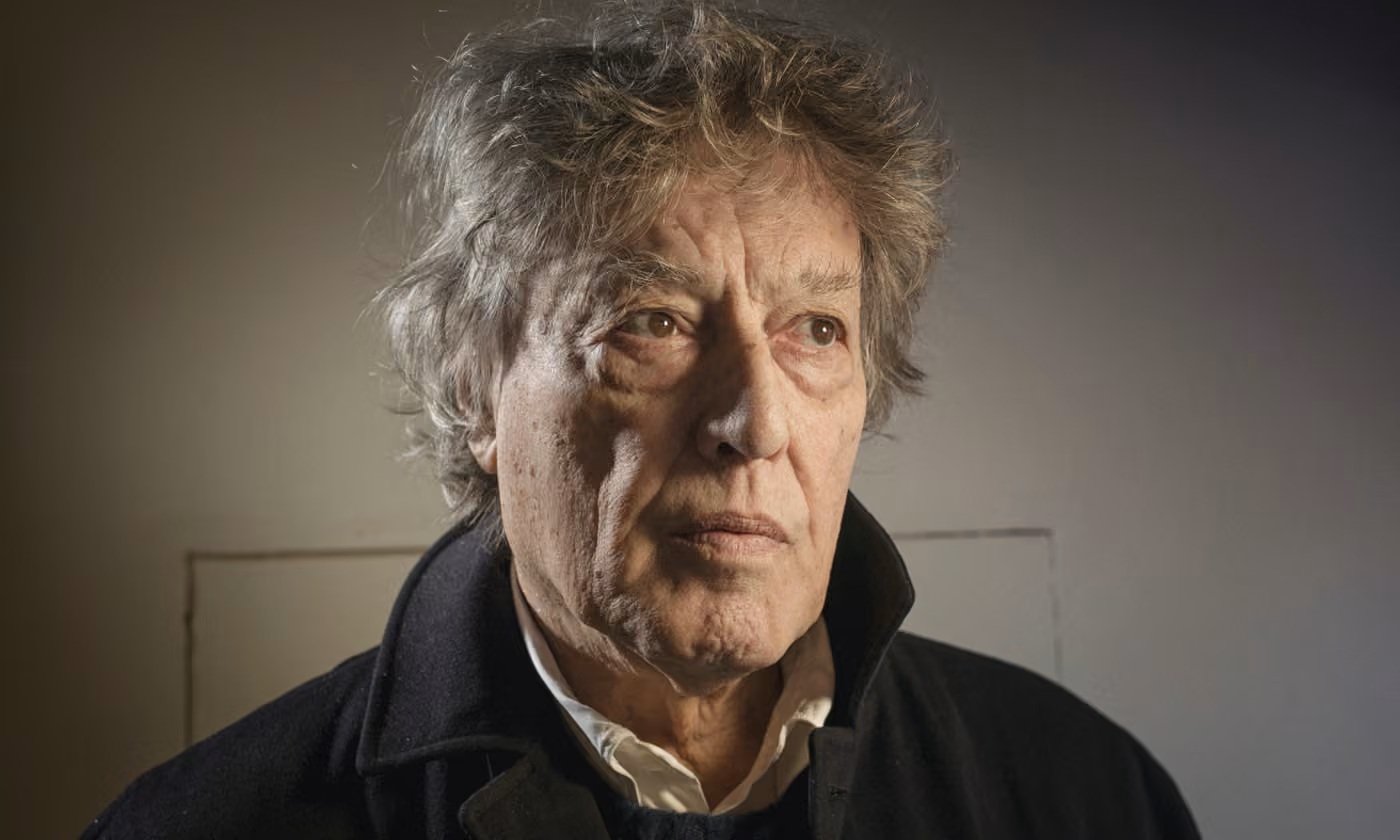
Tom Stoppard in 2017. Photograph: Sarah Lee/The Guardian
Renowned playwright Tom Stoppard has passed away at the age of 88. Celebrated for his cleverness and intellectual richness, Stoppard made remarkable contributions to theatre that engaged audiences over many years. His works have left a significant and enduring mark on the arts community.
He's one of the few writers to be immortalized in the Oxford English Dictionary with his own term “Stoppardian” and he had a knack for crafting unexpected combinations: blending philosophy and gymnastics in Jumpers (1972), intertwining early 19th century landscape gardening with chaos theory in Arcadia (1993), and merging rock music, dissident Czech scholars, and the poetry of Sappho in Rock ’n’ Roll (2006).
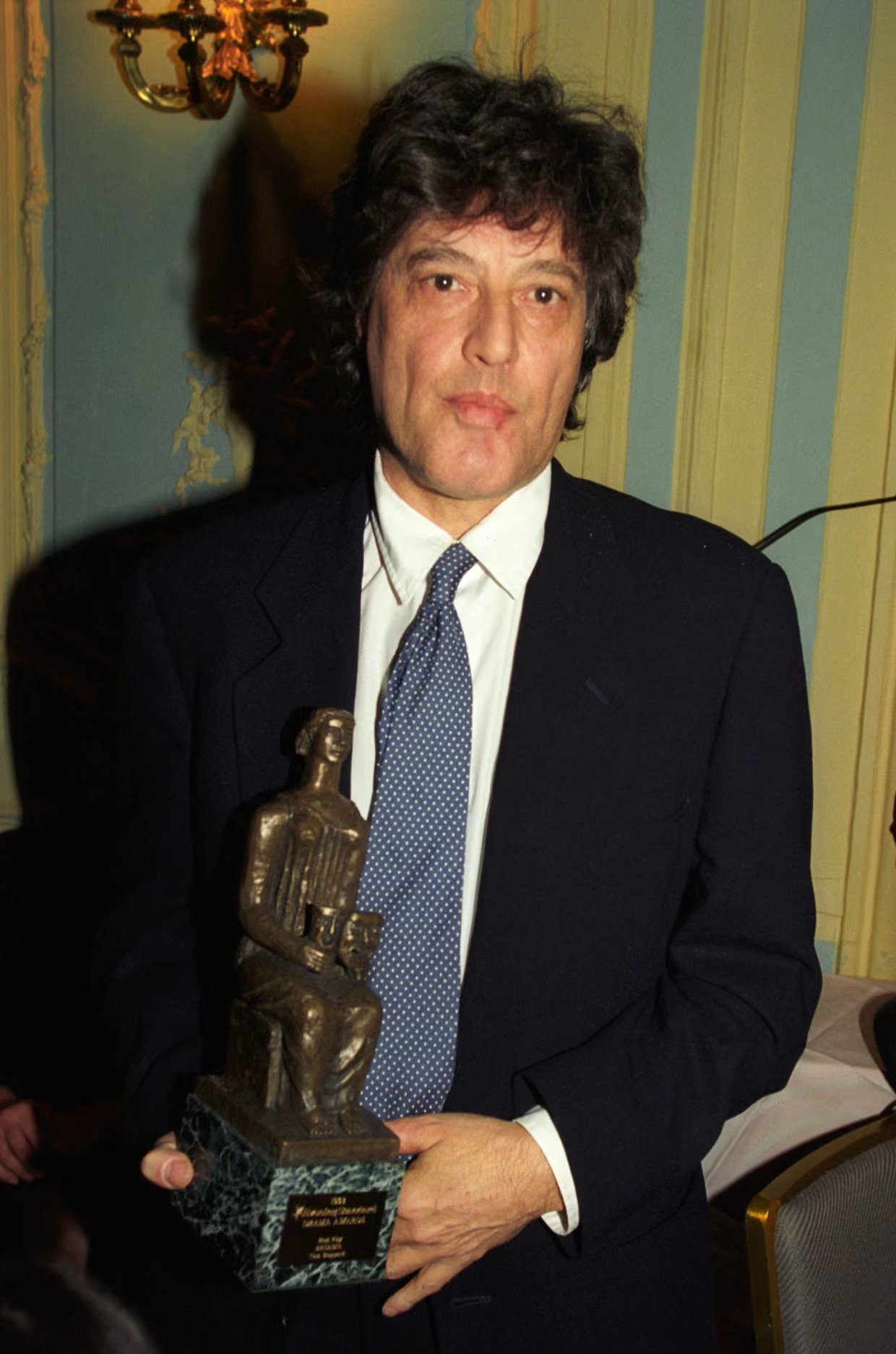
Tom Stoppard at the 1993 Evening Standard Drama Awards at which he won best play for Arcadia. Photograph: Alan Davidson/Shutterstock
Since the premiere of Rosencrantz and Guildenstern Are Dead, which centers on two lesser known characters from Shakespeare's plays, Stoppard's subsequent works have been eagerly awaited on an international scale. This play first appeared at the Edinburgh Fringe in 1966 before being further developed by the National Theatre.
Throughout his career, he has crafted more than 30 plays for the theatre, alongside a steady output of television and radio works. His screenwriting credits include adaptations such as John le Carré’s The Russia House, Terry Gilliam’s Brazil, and a shared credit for the Oscar winning screenplay of Shakespeare in Love.
His impact extended far beyond what his film credits might imply: he was the preferred writer for major franchises that needed some refinement, contributing to films like Indiana Jones and the Last Crusade and Star Wars: Revenge of the Sith. There's even a tale of Steven Spielberg calling him urgently while he was in the shower to resolve a dilemma with Schindler’s List.
Stoppard experienced three marriages and was well known for his sociable nature. Playwright Simon Gray captured the essence of his enviable lifestyle with a witty remark: “It is actually one of Tom’s achievements that one envies him nothing, except possibly his looks, his talents, his money and his luck. To be so enviable without being envied is pretty enviable, when you think about it.”
His beginnings were not particularly promising. Born Tomáš Straussler in Czechoslovakia, he was just a toddler when his Jewish parents fled the Nazi invasion in 1939, seeking refuge in Singapore. After three years, he and his mother were evacuated to India, while his father faced a tragic fate as an army medical officer during the Japanese occupation. Following his father's death, Stoppard's mother married a British army major, Kenneth Stoppard, who adopted the boys and brought the family back to England after the war.
Stoppard left school at the age of 17 to pursue a career as a journalist with the Western Daily Press in Bristol. After spending a few years working on short radio plays, he debuted his first stage play, which was produced in Hamburg and adapted for television in the UK. Upon relocating to London, he began writing theatre reviews under the pseudonym William Boot, inspired by Evelyn Waugh. Eventually, a grant from the Ford Foundation allowed him to move to Berlin, where he focused on developing what would become his iconic work, "Rosencrantz and Guildenstern Are Dead."
Despite the intellectual flair and theatrical boldness of his early works, which led some critics to perceive him as more intellectual than emotional, this perception started to shift with the premiere of The Real Thing. This play, exploring the complexities of infidelity and the tenuous connection between art and life, earned Michael Billington's recognition as one of the 101 greatest plays ever written. It debuted in the West End in 1982, featuring Felicity Kendal and Roger Rees, with the roles later taken on Broadway by Jeremy Irons and Glenn Close.
In the 15 years following The Real Thing, he reached new heights in his writing. His biographer, Hermione Lee, notes that Stoppard regarded Arcadia (1993) as perhaps his finest work, while The Invention of Love (1997), centered around the poet A E Housman, was his personal favorite. The play Hapgood (1988) faced the common critique of being overly clever, intertwining a spy narrative with particle theory; however, its value was reaffirmed with a revival in 2015 at the Hampstead Theatre.
Although Stoppard was socially engaging, he was fundamentally a solitary figure in his writing and did not share the leftist political views common among many of his peers. He described himself as a “timid libertarian” and “an honorary Englishman,” expressing support for Margaret Thatcher and signing a letter in favor of the U S invasion of Grenada in 1984. He was appointed a Commander of the Order of the British Empire (CBE) in 1978 and received his knighthood in 1997. In 2013, he was awarded the PEN Pinter Prize, recognizing his unwavering commitment to truth in his work.
Stoppard frequently reflected on his Central European roots in his plays that examined the Cold War, such as "Every Good Boy Deserves Favour" (1977), which was commissioned by André Previn for a full orchestral performance, and his acclaimed television play "Professional Foul," which aired the same year. The latter was dedicated to his friend Václav Havel, who was frequently imprisoned at the time. It wasn't until he was in his 50s that he uncovered the truth about his Jewish heritage, and it took until his 80s for that understanding to culminate in his late masterpiece, "Leopoldstadt," which traced the story of a once flourishing Viennese family from 1899 to 1955.
By Jake James Beach
Founder- The Deep Dive Society
If you’ve enjoyed this exploration, we’d love to welcome you back to the Deepdive Society. Subscribe to our newsletter and follow us on social media to stay connected, join the conversation and help build a community dedicated to curiosity, reflection and the art of looking deeper. Together, we can shape a society committed to the Deep dive mission.