Revolver and the Birth of Modern Studio Recording: How The Beatles Transformed Popular Music
A Groundbreaking Moment in Music History
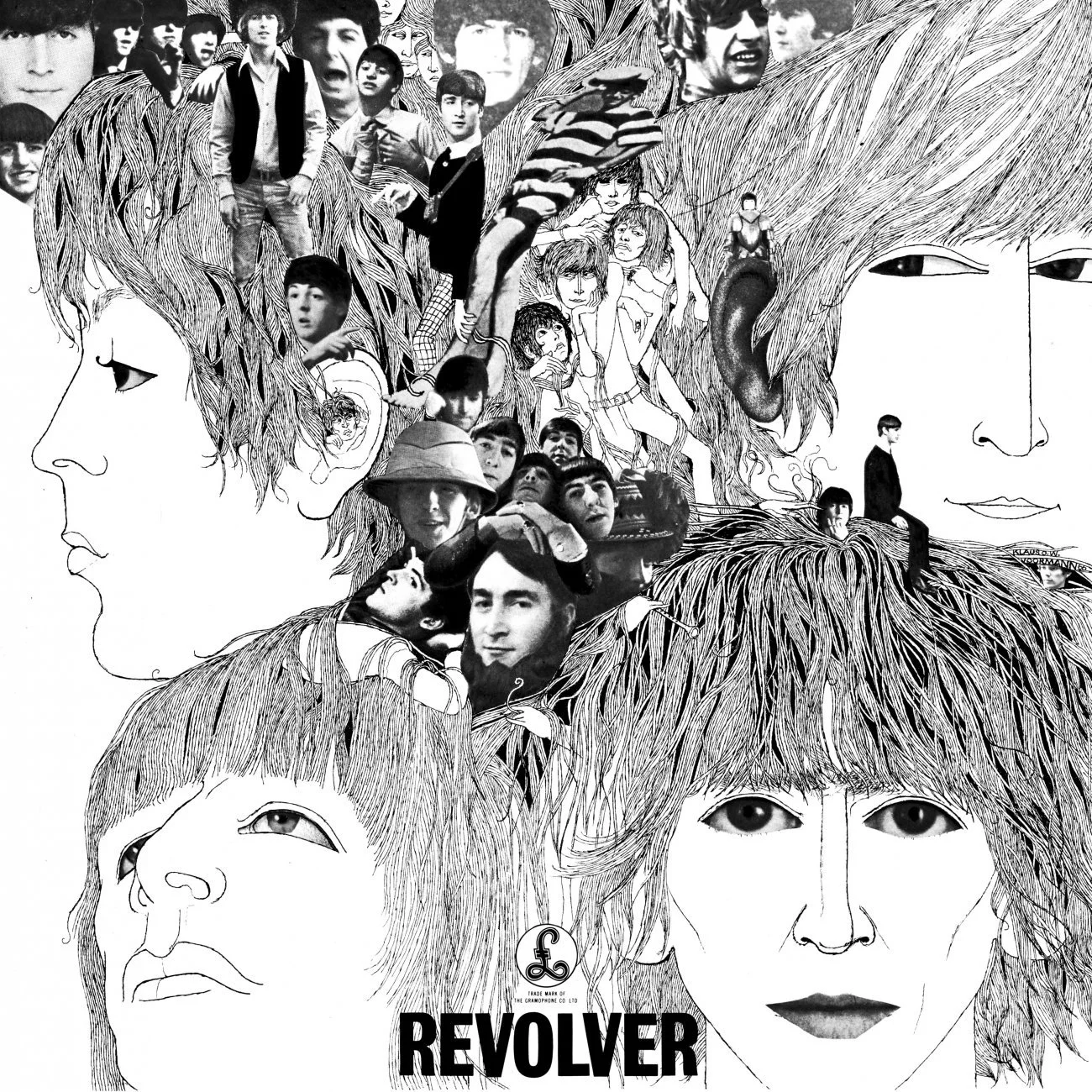
When The Beatles released Revolver in August 1966, it marked a pivotal moment that reshaped music innovation and influenced future genres, making it more than just an album; it was a statement about the evolving landscape of popular music. This work signified a shift from performance-based entertainment to a deeply artistic studio endeavour, showcasing structural innovation, lyrical depth, and technological creativity, expanding what a rock album could achieve.
Having already evolved from the catchy pop hits of their earlier years, Revolver made their artistic ambitions unmistakably clear. The Beatles expertly merged diverse musical influences with advanced studio techniques, all while focusing on more introspective lyrics. This combination not only redefined the relationship between artist, technology, and composition but also set a new standard for music production, ultimately contributing to a broader cultural movement that positioned the album as a bona fide artistic form.
In diving into Revolver, it becomes evident that the album’s historical significance lies in its groundbreaking innovations, rich lyrical content, and bold use of technology. This incredible work represents not just an aesthetic leap for recorded music but a transformative moment that reimagined the role of the studio as a key element in the creative process. In many ways, Revolver laid the cornerstone for modern music history.
The Beatles and Their Journey to a Studio Album
By the mid-1960s, The Beatles had already established themselves as one of the most commercially successful acts in music history. Following their remarkable 1963 debut, they quickly rose to prominence as the defining force in popular music. Infectious melodies, high-energy performances, and memorable songwriting characterised their early work. However, as the decade progressed, The Beatles began to push against the limits of early rock and roll.
A key turning point came with the release of Rubber Soul, which showcased a significant evolution in their sound. This album introduced more reflective lyrics and incorporated elements of folk music, alongside early hints of psychedelic influences. With Rubber Soul, The Beatles started to view the album format not just as a collection of songs but as a unified artistic statement.
The release of Revolver took this evolution even further. During its production, the band grew increasingly frustrated with the constraints of live performances, where rowdy crowds often drowned out their increasingly complex sound. This frustration prompted a strategic pivot toward the recording studio.
At Abbey Road Studios, The Beatles worked closely with producer George Martin and sound engineer Geoff Emerick. Together, they sought innovative ways to transform the recording process, viewing the studio not merely as a space to capture live performances but as a creative laboratory for sonic experimentation. This period marked a profound transformation in their career, paving the way for the revolutionary music that was yet to come.
Technological Innovation and the Studio as Instrument
In the history of music, few albums have left as profound an impact as The Beatles' Revolver, especially through its technological innovations. Released when rock recordings aimed to replicate live performances, Revolver boldly explored studio technology's potential, transforming the recording process and inspiring future musical experimentation.
The album serves as a showcase of experimental techniques, featuring innovations such as tape loops, reversed audio, artificial double-tracking, and unconventional microphone placements. These methods enabled the band to create intricate soundscapes that transcended the limitations of traditional live performances.
A standout track, “Tomorrow Never Knows,” exemplifies this experimental approach. The song is built on a collage of multiple tape loops, each containing snippets of sound, resulting in a fluid auditory experience in which musical elements seamlessly blend. The lead vocals were enhanced with a Leslie speaker, a device typically used for Hammond organs, creating a distinctive swirling acoustic effect.
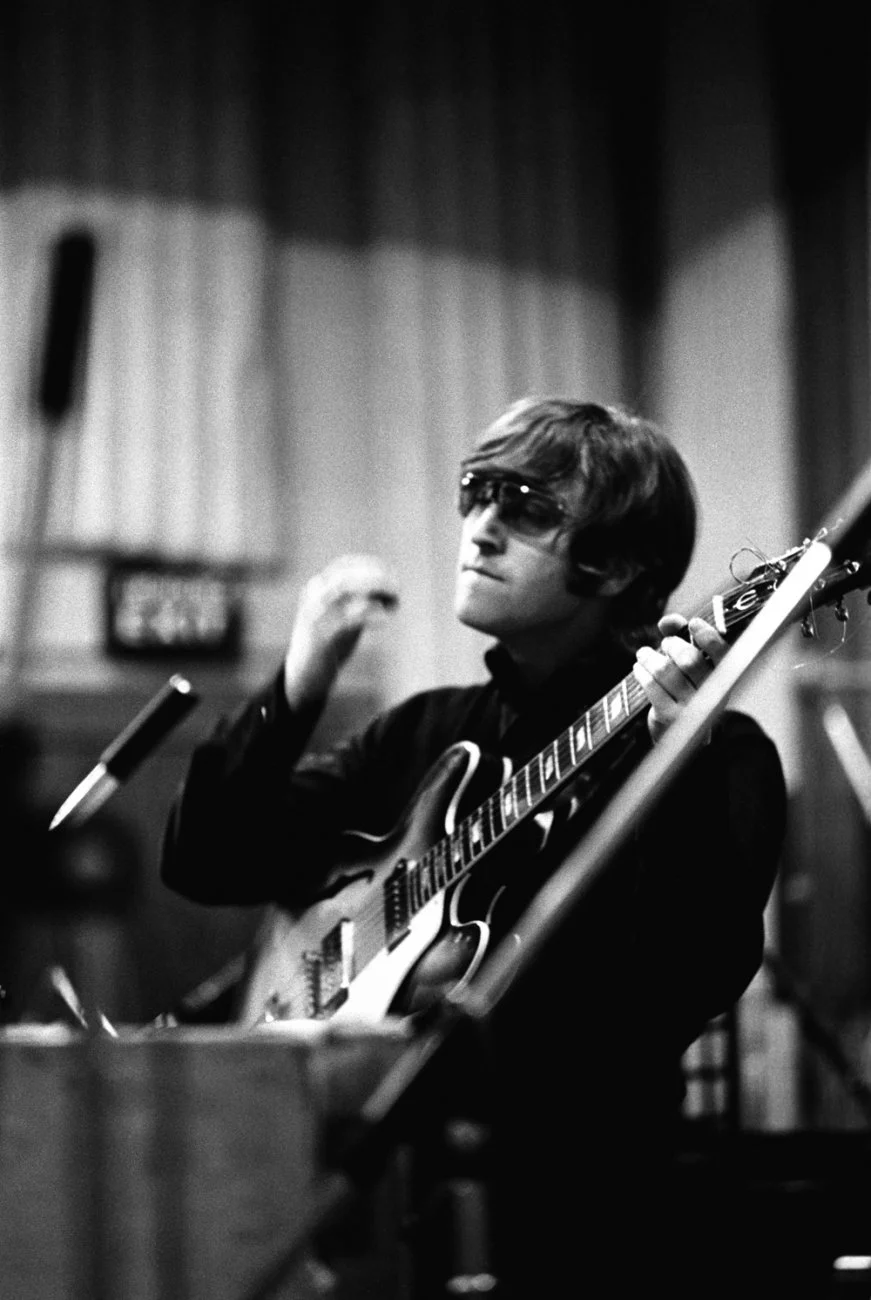
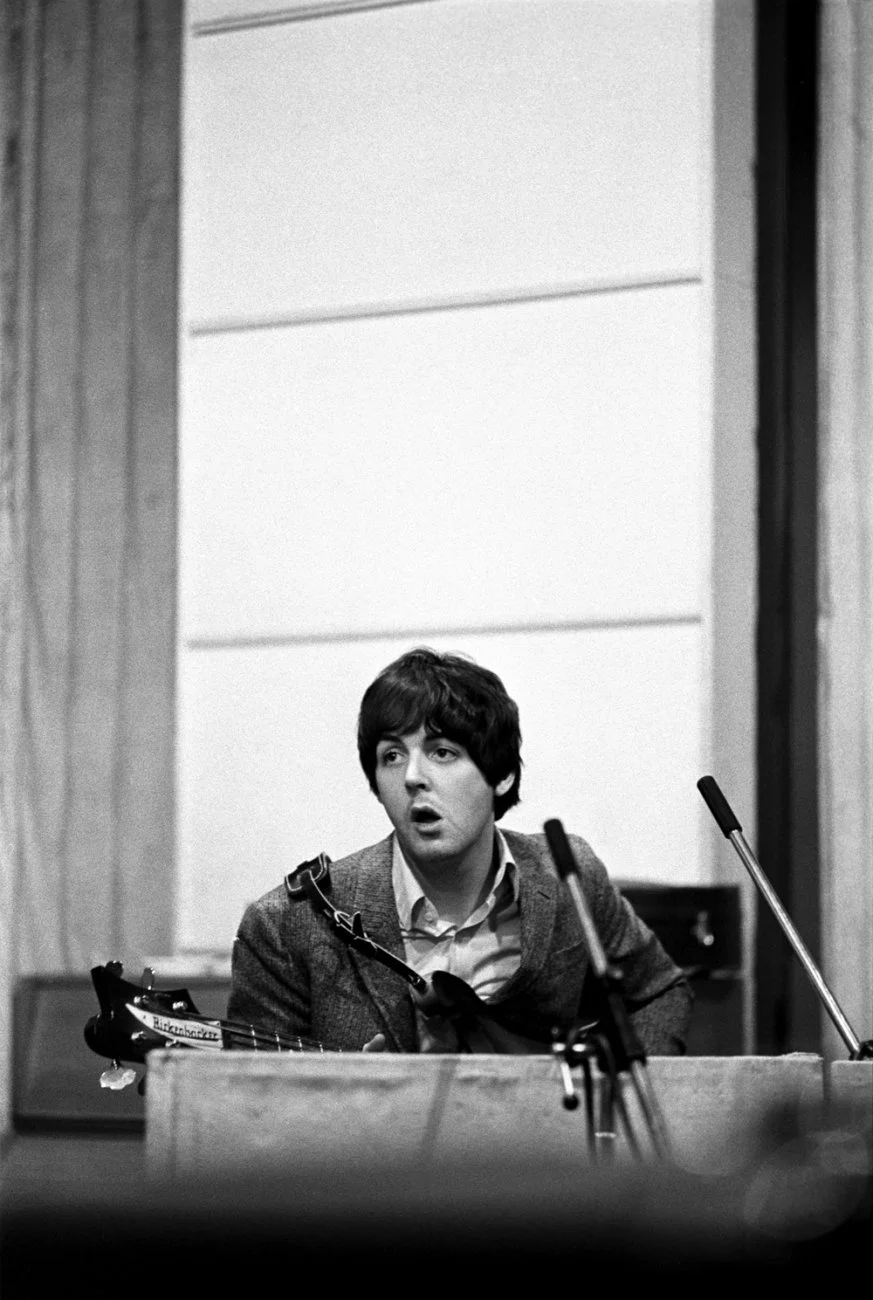
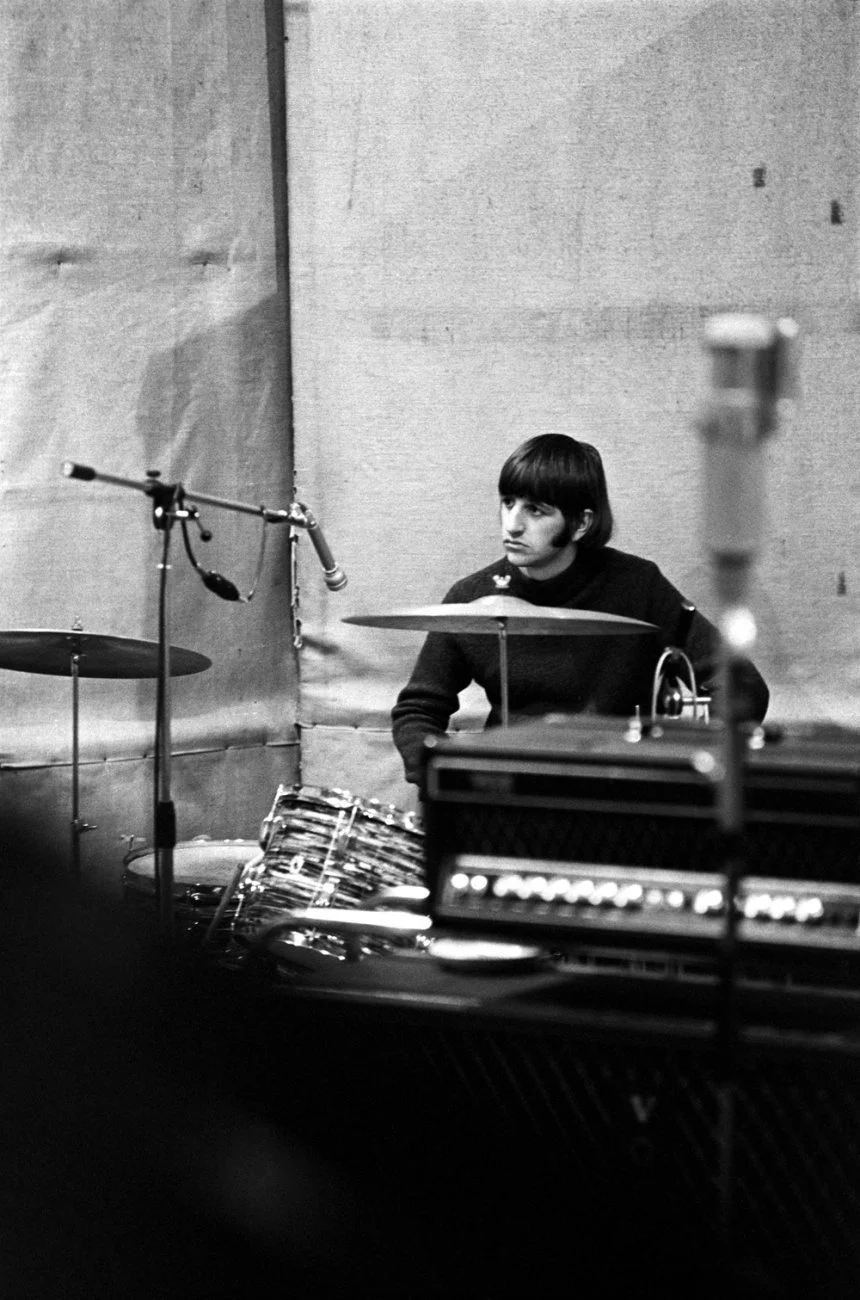
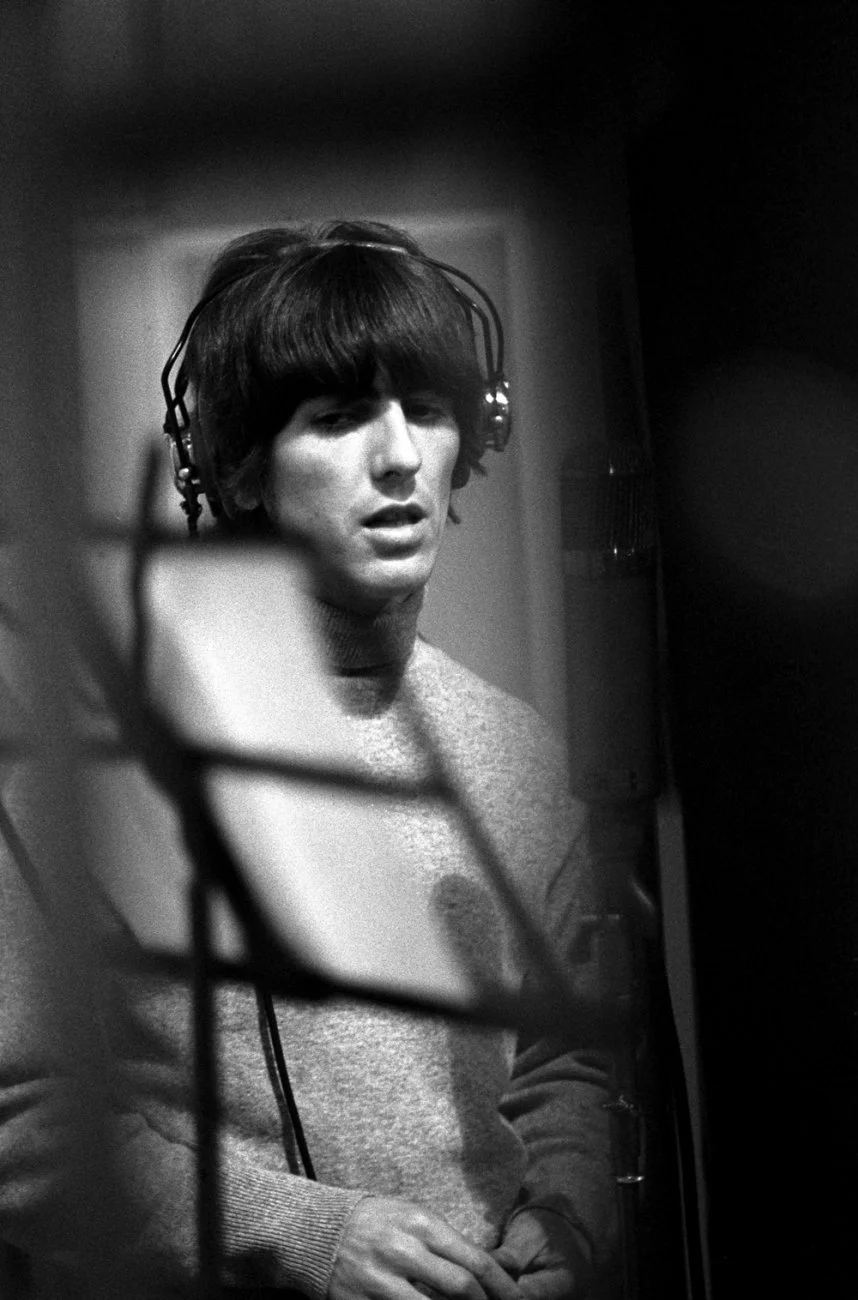
These pioneering techniques did more than transform the recording process; they redefined the very nature of music creation, elevating the studio into a legitimate compositional tool. No longer just a means to document performances, recording became essential to the creative process itself. This revolutionary approach not only influenced a wide array of genres but also laid the groundwork for the psychedelic, progressive, and electronic music that would follow, solidifying Revolver as a cornerstone of musical innovation.
Musical Diversity and Expanding Genre Boundaries
Revolver is notable for its wide stylistic range, showcasing each member’s contributions while pushing the boundaries of rock music and expanding genre possibilities, which underscores its role in musical evolution.
The album opens with George Harrison's "Taxman," a sharp political critique wrapped in an energetic, guitar-driven arrangement. Harrison's lyrics express his frustration with the UK's hefty tax rates for the wealthy, marking a significant shift toward social commentary in popular music.
In contrast, Paul McCartney's "Eleanor Rigby" departs strikingly from traditional rock instrumentation. Working with arranger George Martin, McCartney introduces a string octet, omitting guitars and drums entirely. This narrative-driven song delves into themes of loneliness and social isolation, showcasing a storytelling approach that was rare in the contemporary pop landscape.
John Lennon’s contributions delve into more abstract and introspective themes. “I’m Only Sleeping” features reversed guitar lines and a languid rhythm that foster a dreamlike atmosphere, reflecting Lennon’s fascination with altered states of consciousness. This exploration continues with “She Said She Said,” utilising shifting time signatures and fragmented lyrics to evoke a psychological disorientation indicative of psychedelic experiences.
Together, these tracks not only redefine The Beatles' sound but also broaden the possibilities of rock music as a whole.
Cross-Cultural Influences and Global Musical Exchange
Revolver also marks a pivotal moment in The Beatles’ exploration of non-Western musical traditions, highlighting their burgeoning artistic curiosity. A prime example is Harrison’s “Love You To,” which integrates elements of Indian classical music featuring the sitar, tabla, and tambura rather than treating these instruments as mere embellishments. The song employs structural principles rooted in Indian music, showcasing a deeper understanding and appreciation of the genre.
Harrison’s fascination with Indian music emerged from his studies with sitar virtuoso Ravi Shankar, enriching the band’s sound and playing a crucial role in introducing Western audiences to the subtleties of Indian musical traditions. This cultural exchange became a hallmark of the late 1960s, as artists began to break down barriers and embrace diverse influences in their music.
By incorporating these rich musical structures, Revolver challenged the assumptions prevalent in mainstream pop music and set a precedent for innovative cross-cultural experimentation, paving the way for future artists to explore and intertwine various musical influences.
Emotional Complexity and Lyrical Maturity
Beyond its technical accomplishments, Revolver is distinguished by its emotional depth and lyrical sophistication. The album navigates complex themes of alienation and introspection, offering listeners a rich tapestry of psychological nuance. Paul McCartney’s “Here, There and Everywhere” serves as a prime example of his exceptional songwriting during this period. The song’s harmonic structure reflects the influence of The Beach Boys and their landmark album Pet Sounds.
Another poignant track from McCartney, “For No One,” paints a heart-wrenching picture of romantic disintegration. With a delicately arranged French horn drawing on baroque influences, the song captures the quiet emotional unravelling of a relationship with striking accuracy. Even the album's lighter moments contribute to its depth, creating a captivating listening experience that remains relevant to this day.
Revolver: A Landmark in the Evolution of Popular Music
In the landscape of popular music, few albums have had as profound an impact as The Beatles' Revolver. Released nearly six decades ago, this ground breaking album holds a pivotal role in musical history, merging technological innovation with stylistic variety and lyrical depth. Revolver not only redefined the rock format but also demonstrated that popular music could serve as a canvas for artistic exploration and cultural conversation.
Gone are the days when albums were merely collections of songs; Revolver elevated the format to new heights by presenting a cohesive artistic vision. The interplay of recording techniques, diverse musical influences, and intricate thematic elements crafted an experience that resonated well beyond its time.
As modern music culture continues to evolve, the innovations introduced in Revolver remain influential, shaping the work of contemporary musicians and producers alike. Today, it stands not only as a crowning achievement for The Beatles but also as one of the most significant artistic landmarks in popular music history. Its enduring relevance speaks to the album's transformative power and its lasting legacy in the ever-changing world of recorded sound.