The Beatles Get Back Review: Rewriting the Story of a Band in Decline
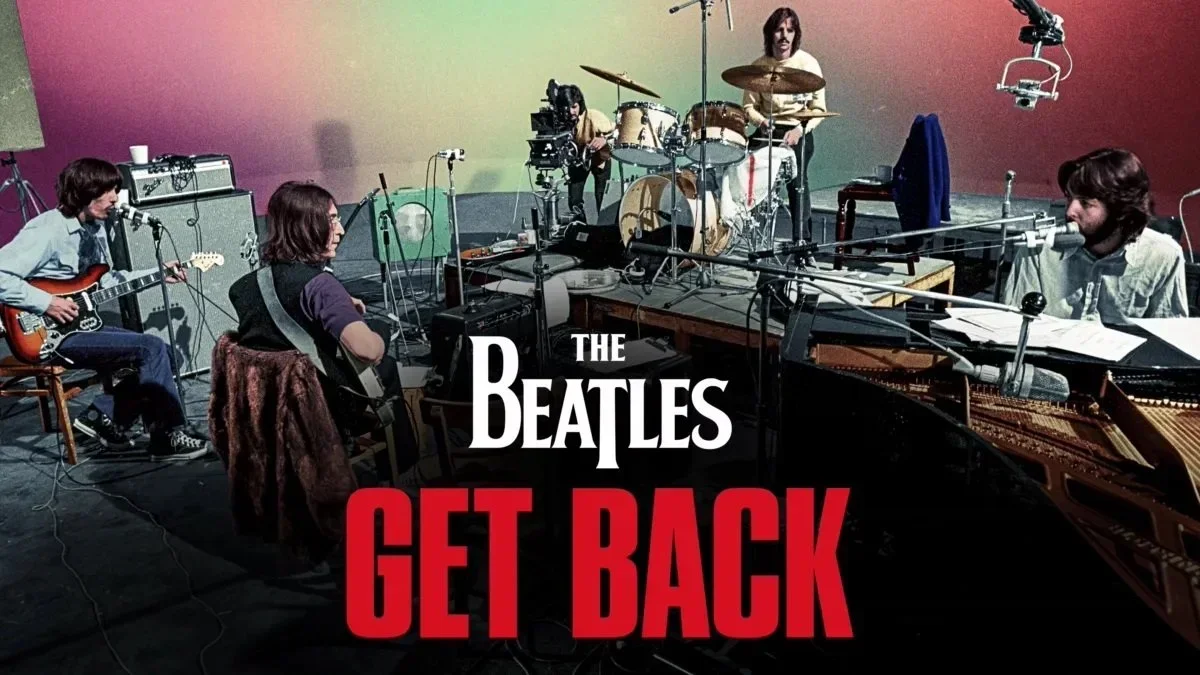
There are certain moments in music history that have hardened into myth. The final chapter of The Beatles is one of them. For decades, the narrative has been fixed: a band collapsing under the weight of its own brilliance, creative differences curdling into resentment, the Let It Be sessions serving as a document of dissolution.
The Beatles Get Back, directed by Peter Jackson, does not simply revisit this story. It quietly dismantles it.
What emerges in its place is something far more complex and far more human.
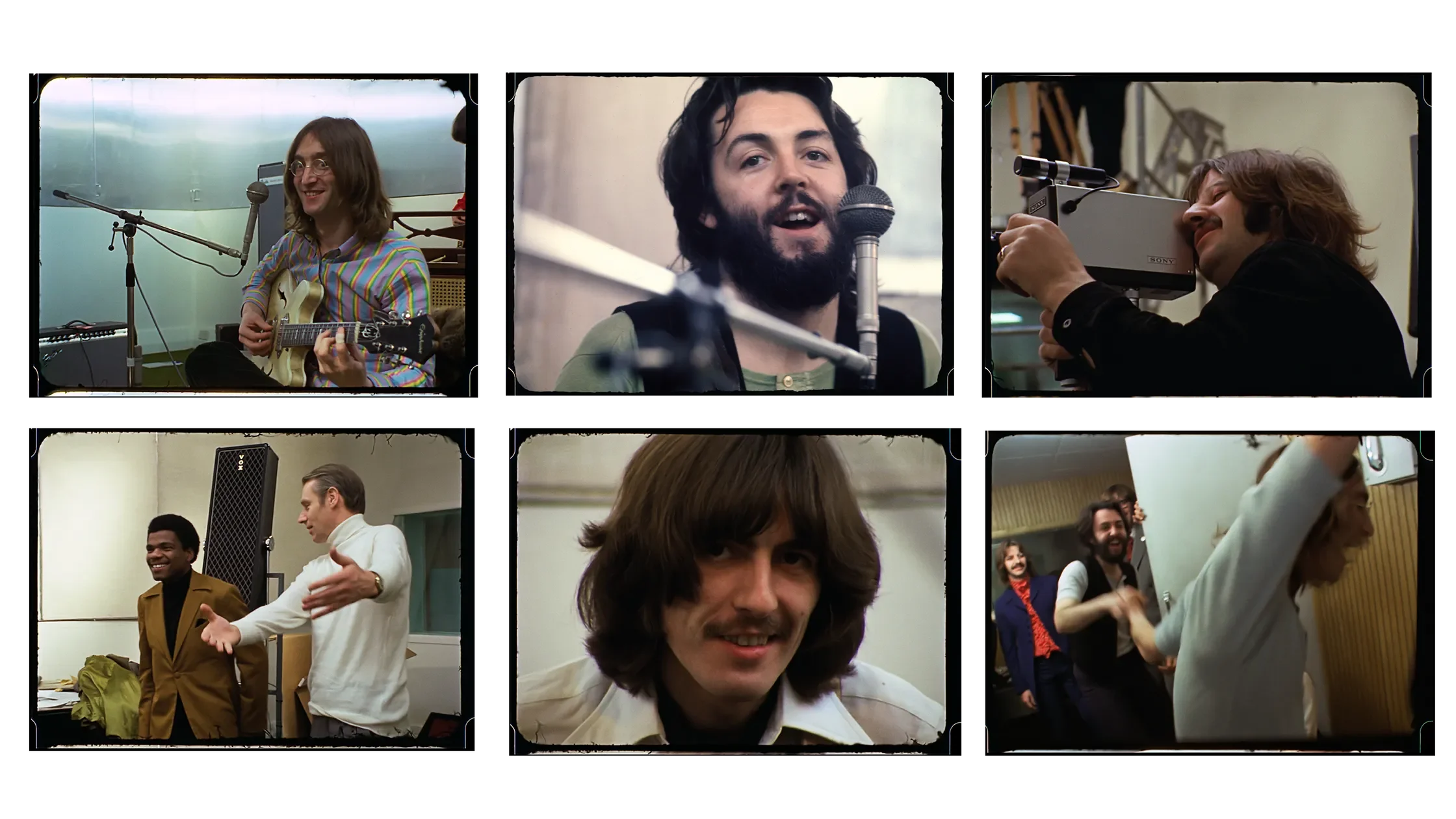
Clockwise from top left: John Lennon mugging for the camera; Paul McCartney; Ringo Starr; studio high jinks; George Harrison; producer George Martin welcoming keyboardist Billy Preston.THE BEATLES: GET BACK. COURTESY OF APPLE CORPS LTD.
Drawn from over 60 hours of unseen footage and more than 150 hours of audio, Get Back reconstructs the January 1969 sessions with an almost radical patience. Rather than compressing events into a narrative of inevitable collapse, Jackson allows time to unfold. Conversations drift. Songs emerge hesitantly. Ideas are tested, abandoned, and rediscovered.
The effect is transformative. You are not being told what happened. You are placed inside it.
For a project aligned with The Deep Dive Society’s ethos of slow attention and close listening, this is crucial. Get Back is not a documentary that explains; it is one that observes. It restores process to a story long dominated by conclusions.
Perhaps the film’s most revelatory gesture is its demystification of songwriting. The Beatles, often treated as near-mythical figures, are shown working. Not in flashes of divine inspiration, but through repetition, frustration, and incremental discovery.
The now-famous moment when Paul McCartney shapes “Get Back” from a loose groove is not presented as genius striking fully formed. It is tentative, searching, almost accidental. A melody circles, falters, returns. Slowly, a song takes shape.
This is creativity as labour. As time. As attention.
For a culture accustomed to instant output and algorithmic production, the film becomes quietly radical. It reminds us that great work often emerges not from certainty, but from sustained engagement with uncertainty.
The enduring fascination of Get Back lies not only in the music, but in the relationships. What Jackson captures is not simply a band, but a delicate ecosystem of personalities negotiating space, authorship, and identity.
George Harrison appears increasingly restless, his frustration rooted not in conflict for its own sake, but in a desire to be heard. His temporary departure from the sessions is often cited as evidence of fracture, yet within the film it feels more like a necessary rupture, a demand for recognition within a shifting hierarchy.
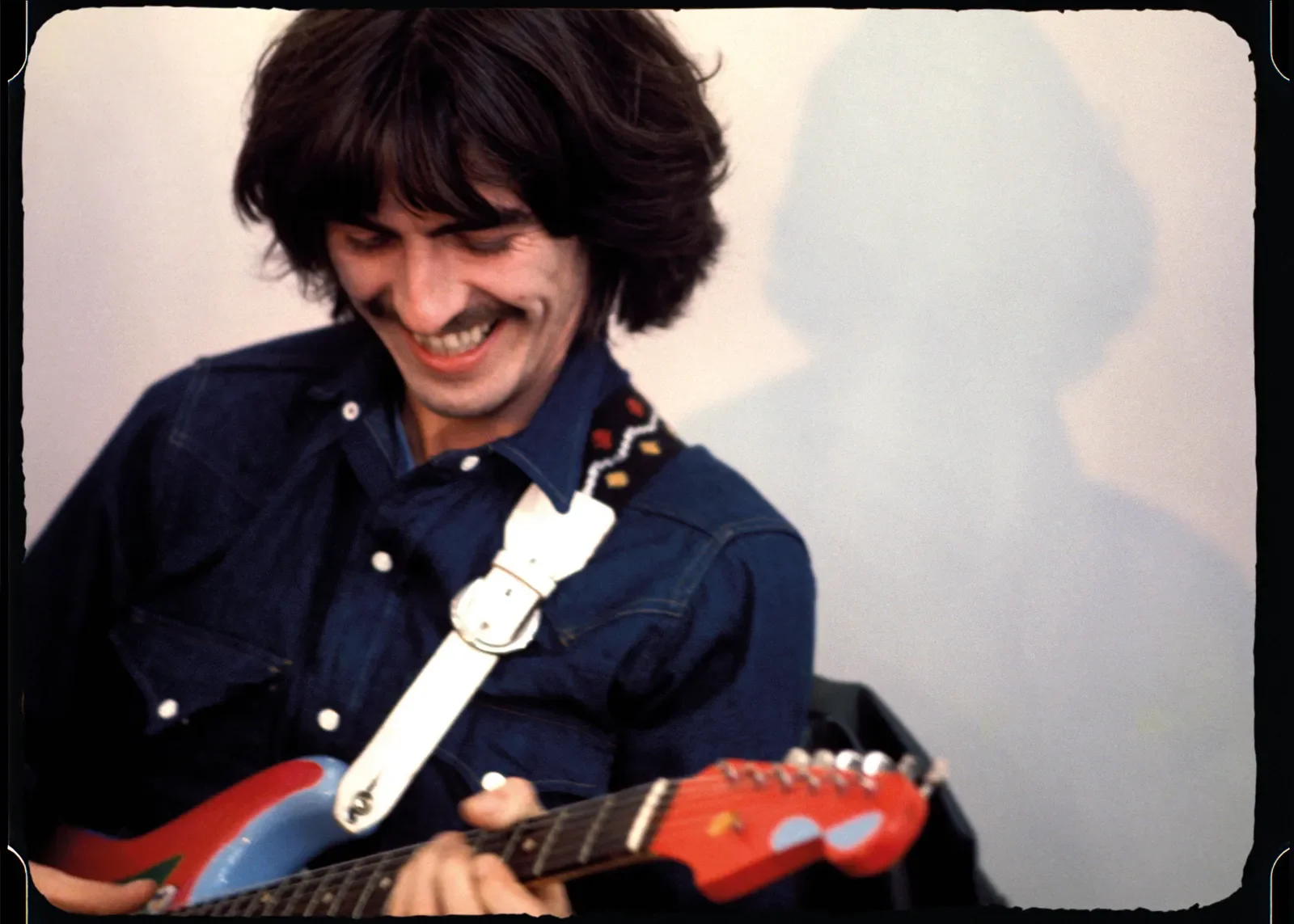
George Harrison.THE BEATLES: GET BACK. COURTESY OF APPLE CORPS LTD.
John Lennon oscillates between sharp wit and quiet disengagement, his attention divided, his presence unpredictable yet magnetic. His partnership with McCartney, once the axis of the band, now carries both deep familiarity and unspoken distance.
Ringo Starr remains the stabilising force, attentive and patient, embodying a kind of understated professionalism that anchors the group.
And at the centre, McCartney emerges as both catalyst and burden-bearer, driving the sessions forward with an urgency that is at once admirable and quietly exhausting. His leadership is not authoritarian, but it is insistent. You sense both his commitment and the strain it imposes.
What becomes clear is that The Beatles were never a singular entity. They were a negotiation.
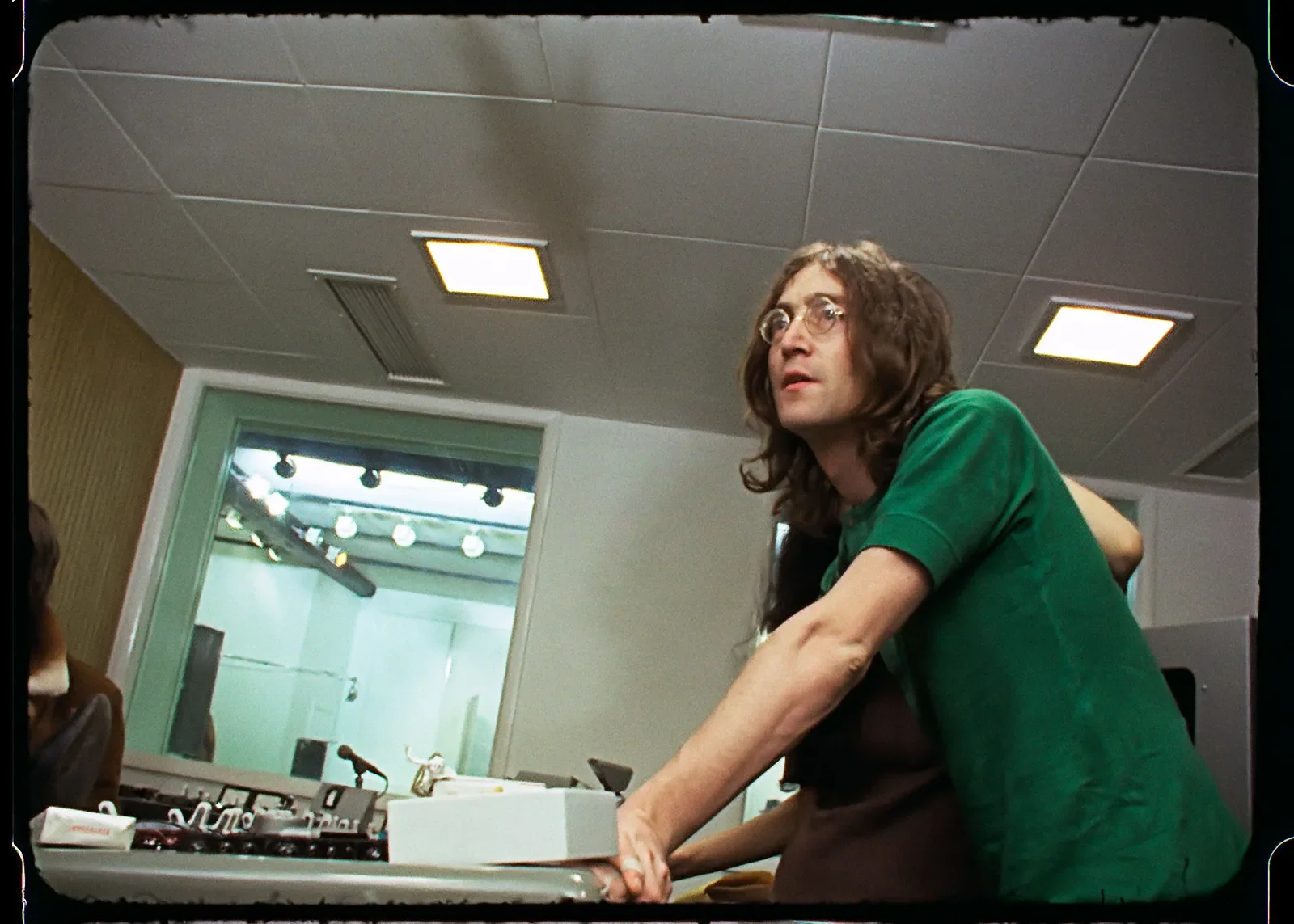
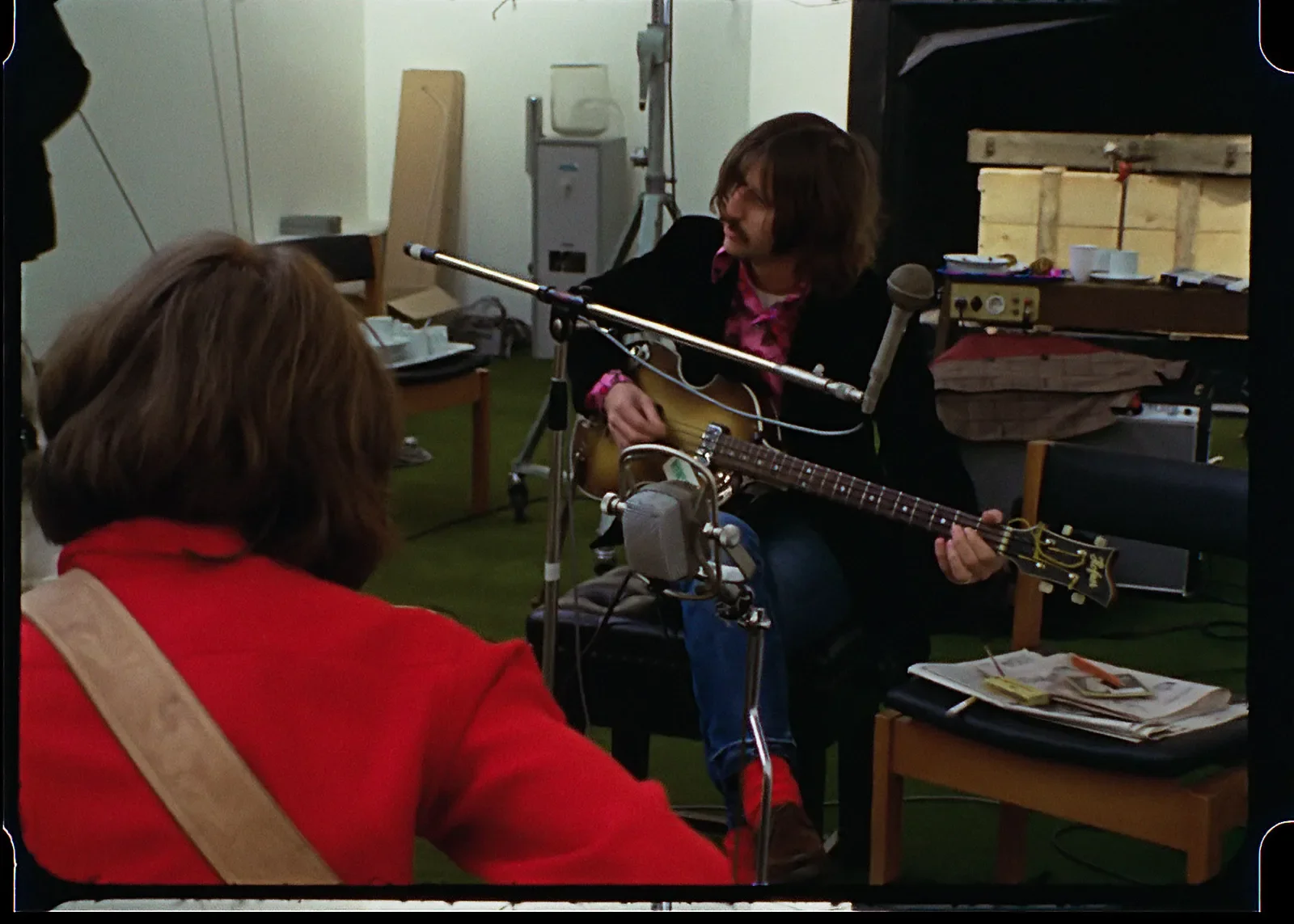
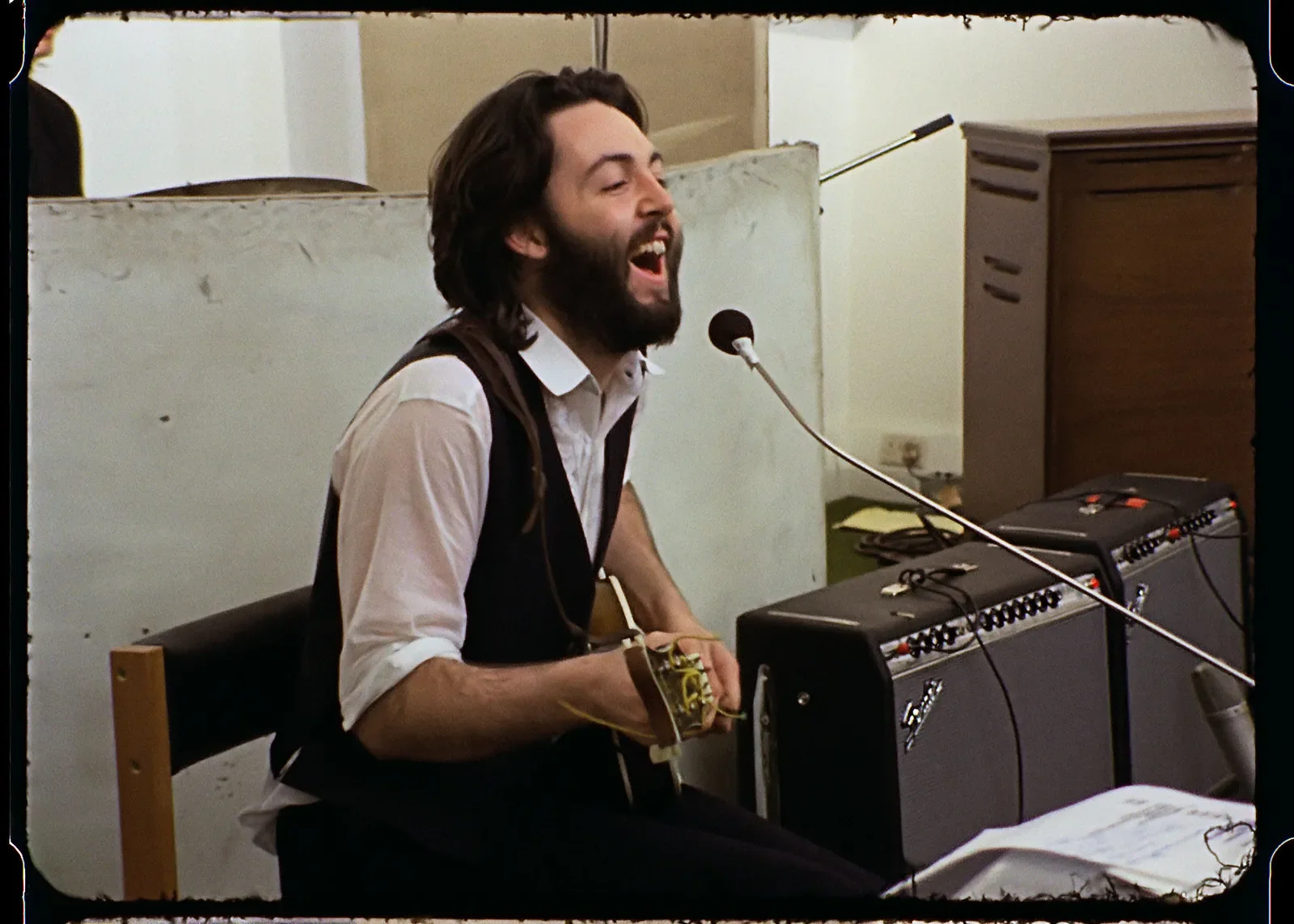
The film’s physical environments carry their own significance. The sterile vastness of Twickenham Studios contrasts with the relative warmth of Apple’s Savile Row basement. The shift is subtle, yet profound. The band loosens. The music breathes.
These spaces are not neutral. They shape behaviour, mood, and possibility. In this sense, Get Back is also a study of how environments influence creativity, how sound emerges not only from instruments, but from context.
Jackson’s restoration work deepens this immersion. The footage, meticulously cleaned and stabilised, collapses historical distance. The late 1960s no longer feel archival; they feel immediate, tactile, present.
For the viewer, the effect is disorienting in the best way. The past is no longer past. It is happening.
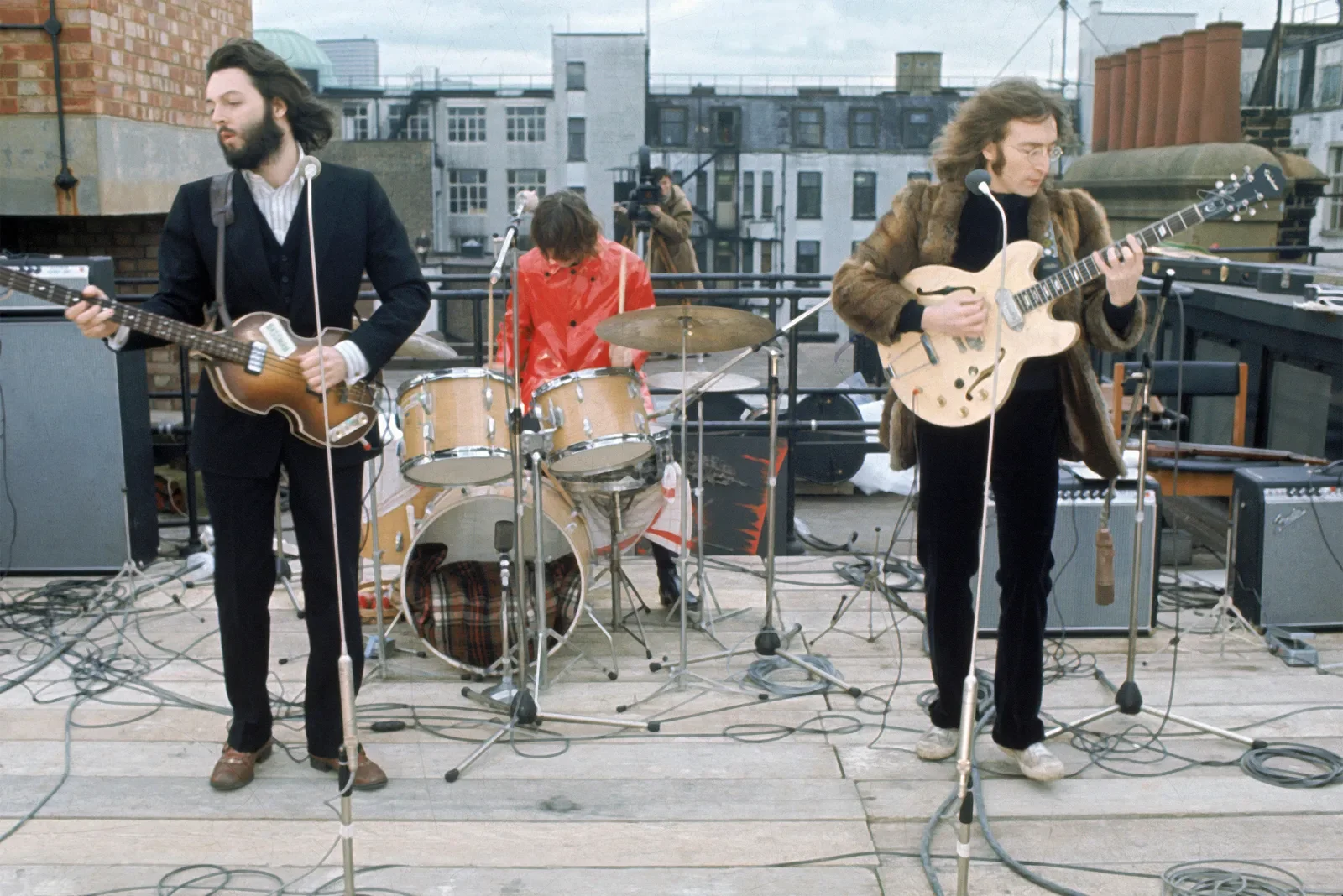
The Beatles’ last concert ever, on the roof of Apple headquarters.THE BEATLES: GET BACK. COURTESY OF APPLE CORPS LTD.
The series’ culmination, the rooftop concert on Savile Row, has long been canonised as a symbolic farewell. Yet within the context of Get Back, it feels less like an ending and more like a release.
After days of rehearsal, negotiation, and uncertainty, the band steps into the cold London air and plays.
There is joy here. Not nostalgia, but immediacy. The music is alive, responsive, uncontained. Passersby gather. Police intervene. The city becomes part of the performance.
For a brief moment, the tensions dissolve. What remains is the simple act of playing together.
It is not the end of The Beatles. It is a reminder of what they were.
What The Beatles Get Back ultimately reveals is not a band in collapse, but a group in transition. There are tensions, certainly, but also laughter, collaboration, and moments of genuine warmth.
The narrative of inevitable breakdown begins to feel insufficient, even reductive.
Instead, the film offers something more nuanced: a portrait of artists navigating change. Individual ambitions are expanding. Identities are shifting. The structures that once held them together are no longer as stable as they were.
This is not failure. It is evolution.
For The Deep Dive Society, Get Back stands as a model of what cultural documentation can be when it resists simplification. It refuses to reduce The Beatles to icons or symbols. It returns them to us as working musicians, as collaborators, as individuals negotiating meaning in real time.
In doing so, it restores something essential: the texture of artistic life.
This is not a film about endings. It is a film about process. About time. About the fragile, often invisible work that underpins creation.
And perhaps most importantly, it invites us to look again, to listen more closely, and to recognise that behind every myth lies something far more intricate, and far more human.